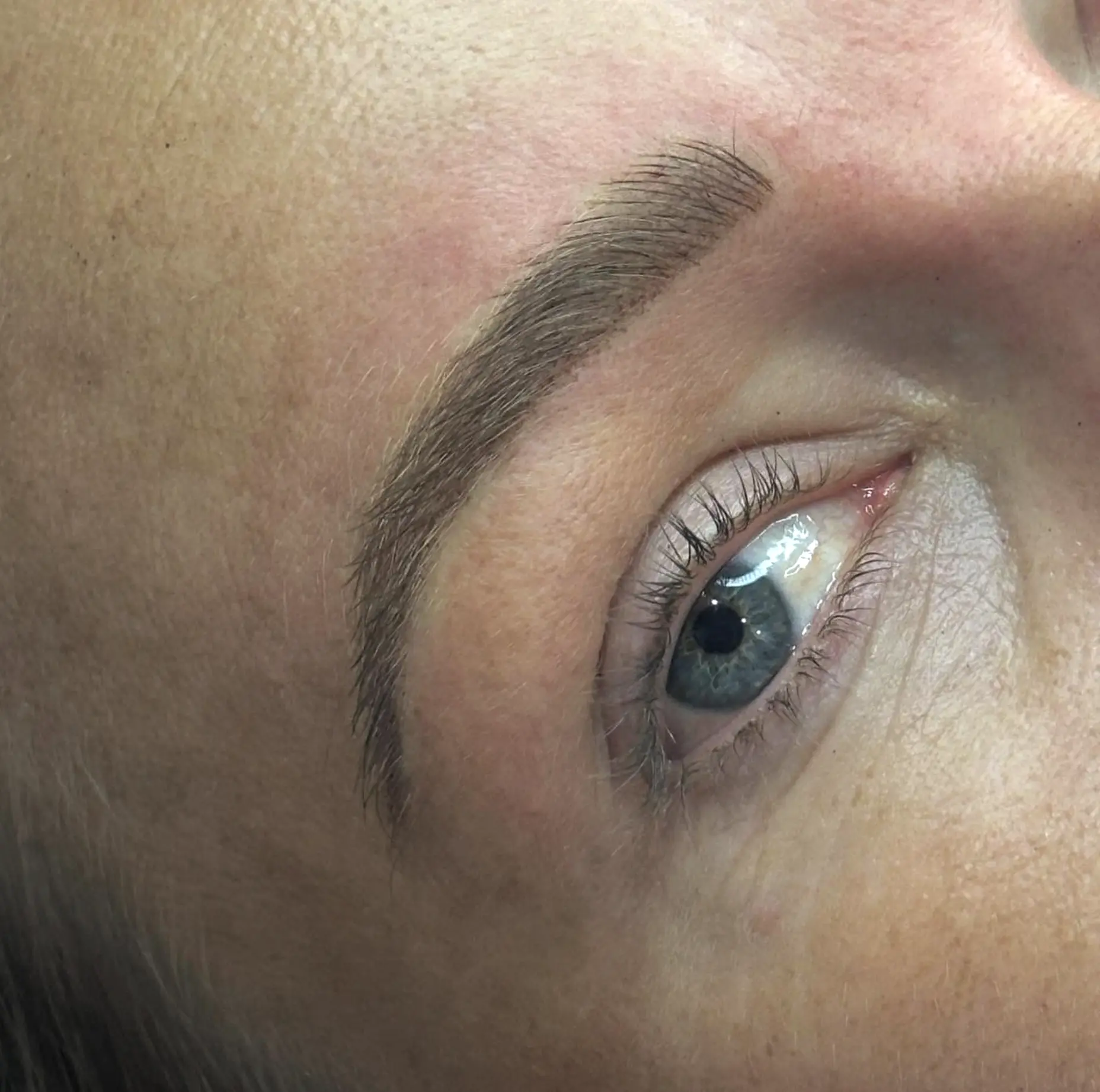
If you’ve ever wondered, Are cosmetic tattoos safe for clients with allergies or sensitive skin?, you’re definitely not alone – and you’re exactly the kind of client who walks into my Melbourne studio asking whether permanent makeup and sensitive skin can actually work together. As Olha Po, I work with all skin types, including clients who’ve had allergic reactions to nail polish, fragrance, or troublesome skincare ingredients.
The truth is, with careful planning, close attention to product ingredients, and a custom treatment plan that considers your immune system, cosmetic tattooing can be safe, predictable, and deliver beautiful results – even for highly reactive clients.
Contents
- 1 Why Reactive Skin Needs Its Own Plan
- 2 How We Work Safely With Allergies
- 3 Patch Tests For Delicate Skin
- 4 Pigment Formulas And Ingredient Safety
- 5 How Reactive Skin Heals
- 6 What’s Common, What’s Rare, And What’s Preventable
- 7 Eczema, Dermatitis, and Other Conditions
- 8 How Autoimmune Conditions Affect PMU
- 9 A Final Word for Nervous Clients
- 10 FAQ
- 10.1 Can fragrance allergens cause reactions after cosmetic tattooing?
- 10.2 Do hypoallergenic pigments stop all allergic reactions?
- 10.3 Can numbing cream cause a contact allergy?
- 10.4 Does the Fitzpatrick Scale affect how long pigment stays put?
- 10.5 Is laser tattoo removal a treatment option for allergic pigment reactions?
Why Reactive Skin Needs Its Own Plan
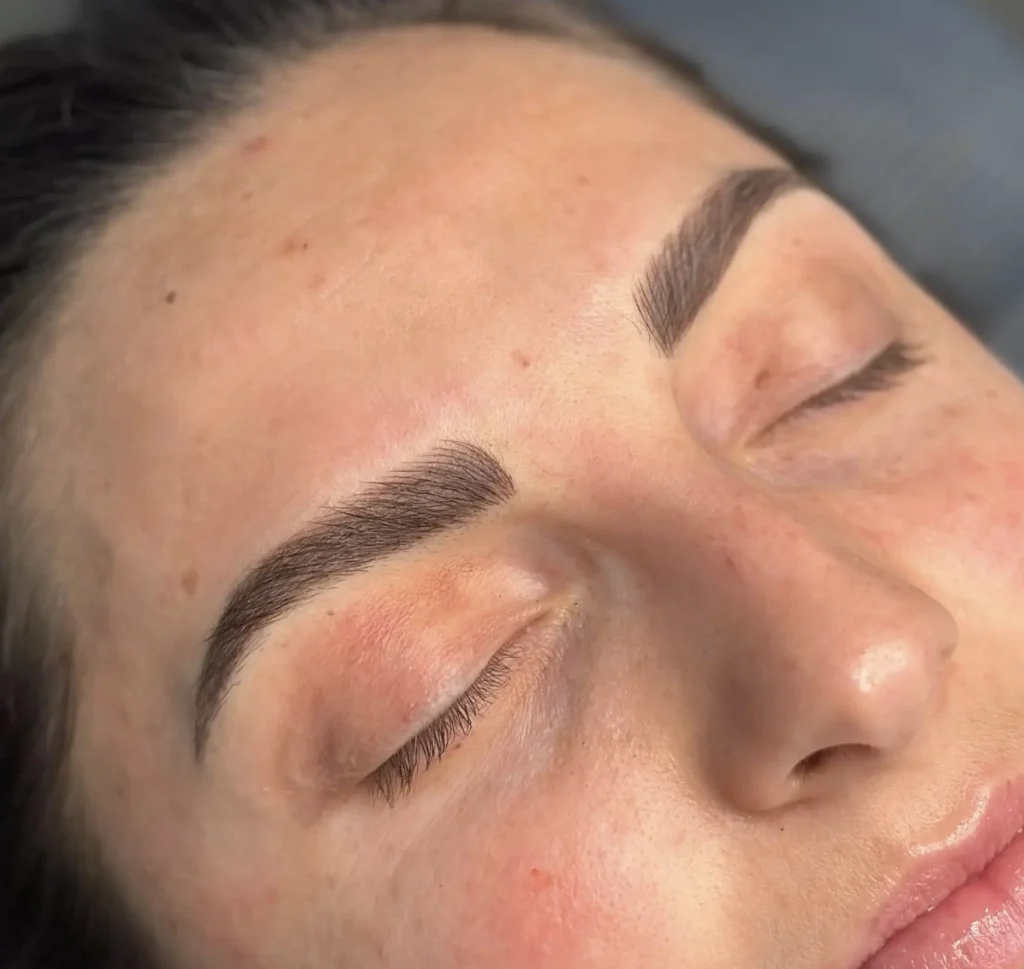
Having allergy-prone skin doesn’t mean problem skin – it simply means your skin needs more targeted care. Melbourne weather plays a big role here. Dry winters can make the healing process feel tight, while humid summers can trigger flushing in sensitive skin types.
Before discussing designs, I assess where you sit on the Fitzpatrick Scale, your skin type, and your known allergies. At Cosmetic Tattoo Melbourne, every consultation is a genuine conversation. I want to know your allergy history, any medical conditions, makeup or skincare sensitivities, and how your skin typically heals.
How We Work Safely With Allergies
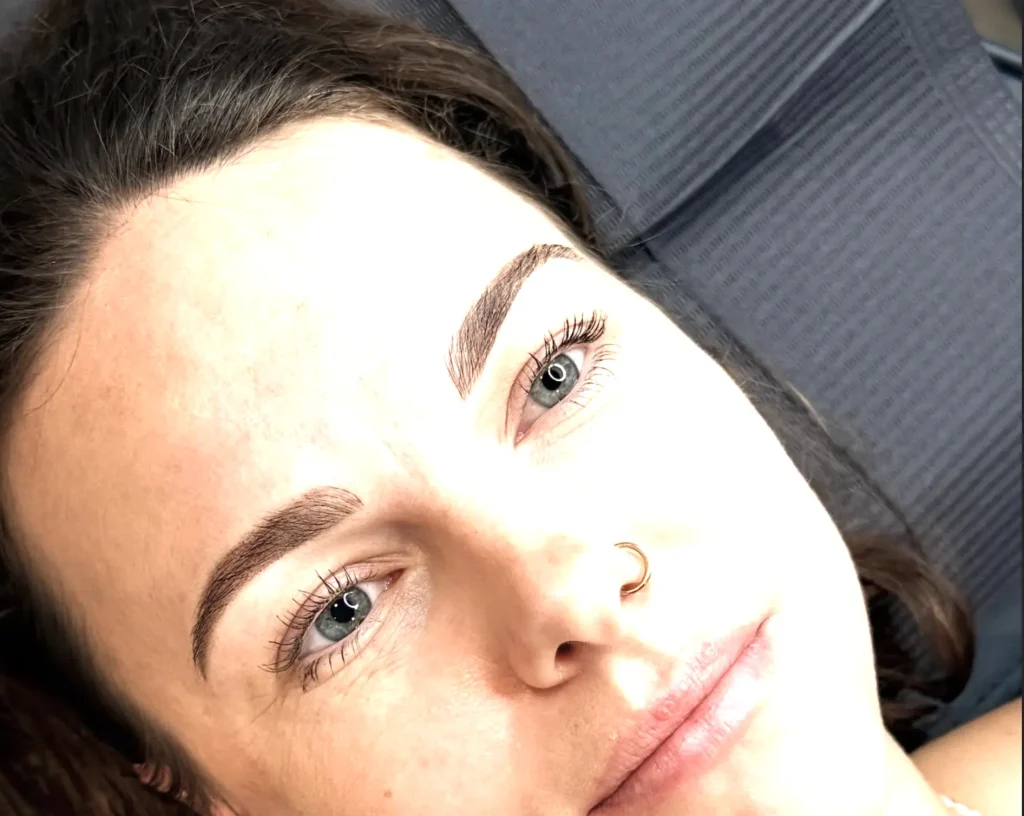
Safety protocols aren’t something you improvise – they’re a process. A detailed assessment allows me to tailor your treatment, whether you’re booking in-studio or researching cosmetic tattooing services.
- Your history of allergic reactions to cosmetics, skincare, adhesives, or formaldehyde resin
- Your skin type and Fitzpatrick classification
- Any past flare-ups such as eczema or dermatitis
- Your healing speed and immune response
- Current skincare or cosmetic products that may cause irritation
We work gently and methodically, following dermatological safety standards, strict infection control protocols, and clear client communication at every stage.
Patch Tests For Delicate Skin
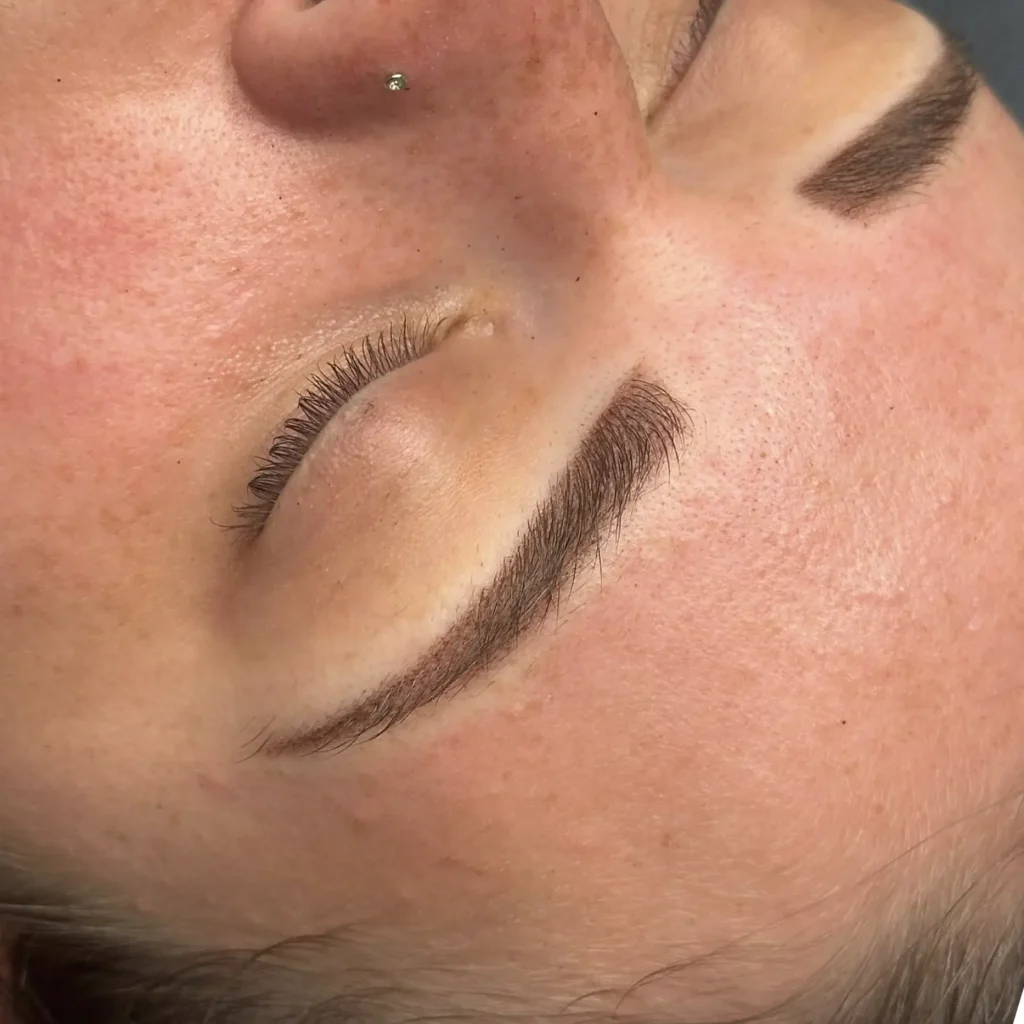
Patch testing is non-negotiable for clients with sensitive or allergic skin. It’s the most reliable way to understand how your immune system responds to pigments, numbing creams, and aftercare products.
Patch testing helps with:
- Identifying delayed contact allergies
- Assessing reactions to hypoallergenic pigments
- Checking sensitivity to alcohol-based prep products
- Distinguishing normal redness from adverse reactions
- Detecting fragrance allergens
- Clarifying unclear ingredient labelling
Research shows that true pigment allergies in semi-permanent makeup occur in less than 2% of clients and are usually linked to low-quality pigments or artificial dyes. That’s why we use only certified pigments and place strong emphasis on transparent ingredient labelling.
Where We Do Tests
- Behind your ear
- Along your hairline
- Near your brow
We give the skin 5-7 days to calm down, then we adjust your treatment plan accordingly.
Pigment Formulas And Ingredient Safety
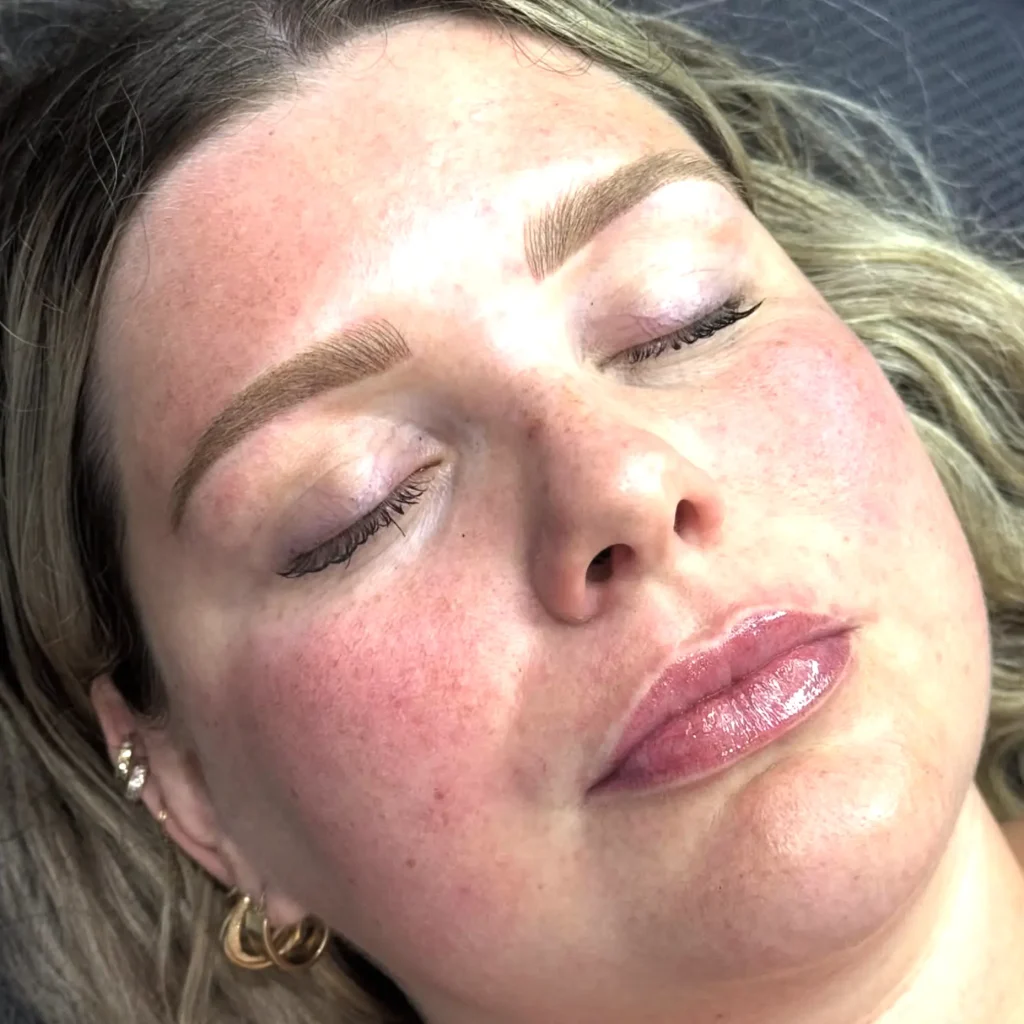
If you’ve had issues with allergic reactions in the past, then one thing you absolutely need to think about is what’s really in your pigment.
At Face Figurati, our hypoallergenic pigments are put together with ingredients that we’ve chosen because they’re:
- Certified organic whenever possible – it’s just better that way.
- Cosmetic-grade colourants that are safe for skin.
- Low in alcohol, to avoid any irritation.
- No heavy metals, artificial dyes or preservatives like formaldehyde, which can cause real problems.
- All carefully selected to give you the best possible results with the least amount of risk.
This is really important for getting the results we want, especially with things like powder brows, hybrid brows, ombré brow tattoo styles and lip blush. When the pigments we use are top quality, we get better retention of the colour and much lower risks for people who react to certain ingredients.
How Reactive Skin Heals
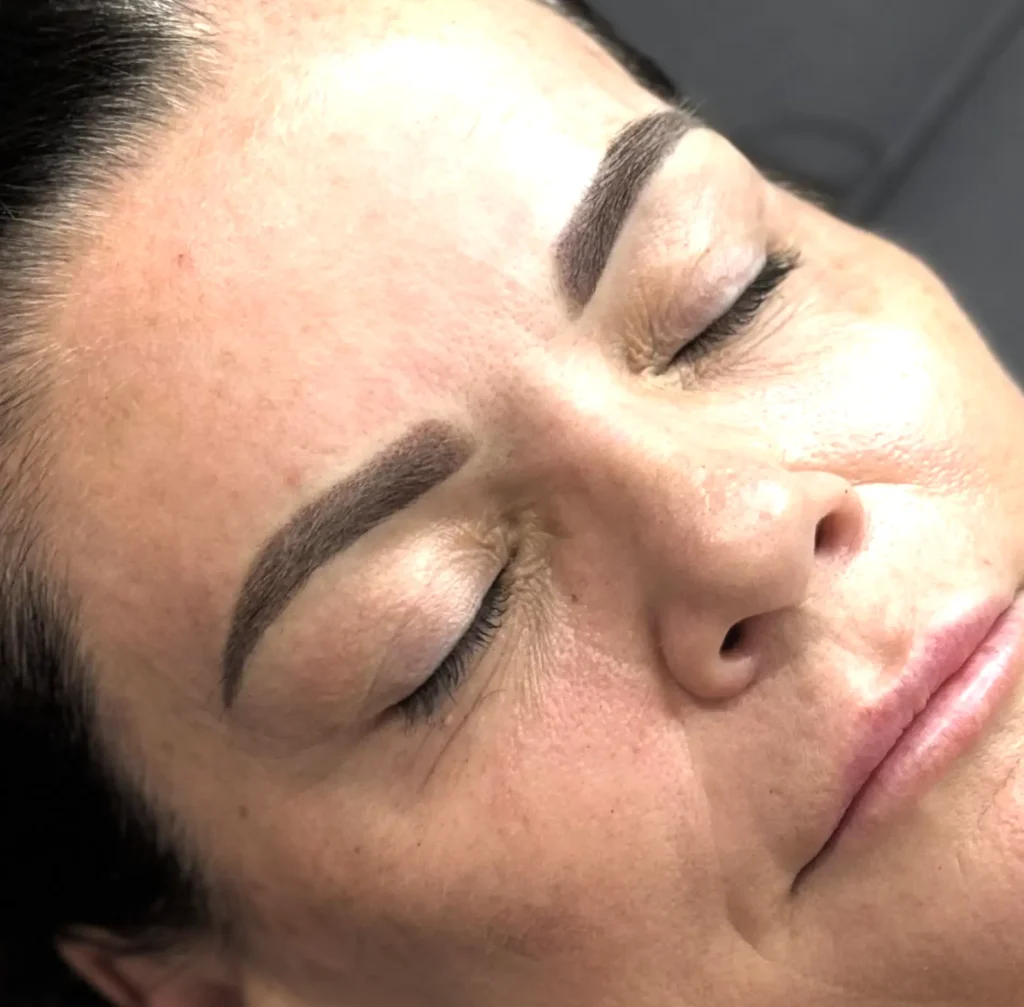
Skin that’s a bit sensitive doesn’t always go into full-blown crisis mode – sometimes it just gets a bit more upset than usual. I’ve seen all sorts of reactions in different skin types, including:
- A bit of warmth or swelling in the first couple of days
- A tighter feeling as the wound starts to heal
- Tiny bits of flaking around 3-6 days in
- And sometimes, unfortunately, there is a softer finish to the pigment because the immune system breaks it down a bit.
I remember a client of mine who had an issue with commercial lip care products because they contained fragrance allergens, but when we sorted out her wound care and patch tested every product we used, she sailed through the whole thing without any problems.
What’s Common, What’s Rare, And What’s Preventable
Here is a table breaking down the real risks and their frequency:
| Concern | Frequency | Notes |
|---|---|---|
| Allergic reactions to pigments | Rare (1–2%) | Usually linked to poor-quality pigments with heavy metals or artificial dyes. |
| Reactions to numbing cream | Uncommon | Patch testing eliminates surprises |
| Sensitivity to healing ointments | Moderate | Often caused by fragrance allergens, we use simple formulas |
| Reaction to brow mapping solutions | Mild & occasional | Easily avoided with hypoallergenic products |
| Infection risk/needle stick injuries | Very rare | Eliminated by the infection control certificate standards |
Eczema, Dermatitis, and Other Conditions
Yep, with a bit of adjustments to timing and technique — we’re good to go. We don’t tattoo over active flare-ups, ever. Once things have calmed down, though, clients usually do just fine with powder brows or ombré brow tattoo treatments.
Machine shading techniques are really the way to go for sensitive skin or people prone to dermatitis because they tend to cause less irritation than microblading.
How Autoimmune Conditions Affect PMU
Some medical conditions can really mess with healing, pigment retention and allergic reactions, so consultations are super important. Clients with autoimmune or histamine issues often do okay, but we have to be super cautious.
A safe treatment for you takes into account:
- Your specific immune system quirks
- How quickly you heal wounds
- Any known allergy triggers you’ve got
We keep everything super transparent so you feel confident and comfortable, and we’ve got a really high client satisfaction rate.
A Final Word for Nervous Clients
Whether you’re booking with us or exploring options like cosmetic tattoo in Cosmetic Tattoo Melbourne Studio, the bottom line is finding an artist who respects your skin, gets your sensitivities and is all about listening to your concerns.
Cosmetic tattooing can be safe for people with allergies – as long as we slow down, do thorough patch testing and treat your skin like the individual it is.
FAQ
Can fragrance allergens cause reactions after cosmetic tattooing?
Yes, which is why we stick with fragrance-free healing ointments.
Do hypoallergenic pigments stop all allergic reactions?
They definitely reduce the risk, but patch testing is still super important.
Can numbing cream cause a contact allergy?
Occasionally. But we can identify it early on with patch tests.
Does the Fitzpatrick Scale affect how long pigment stays put?
Yes, deeper skin tones can have different results because of immune responses.
Is laser tattoo removal a treatment option for allergic pigment reactions?
Only in super rare and severe cases – but it’s not usually needed if you’ve got safe pigments and proper testing.