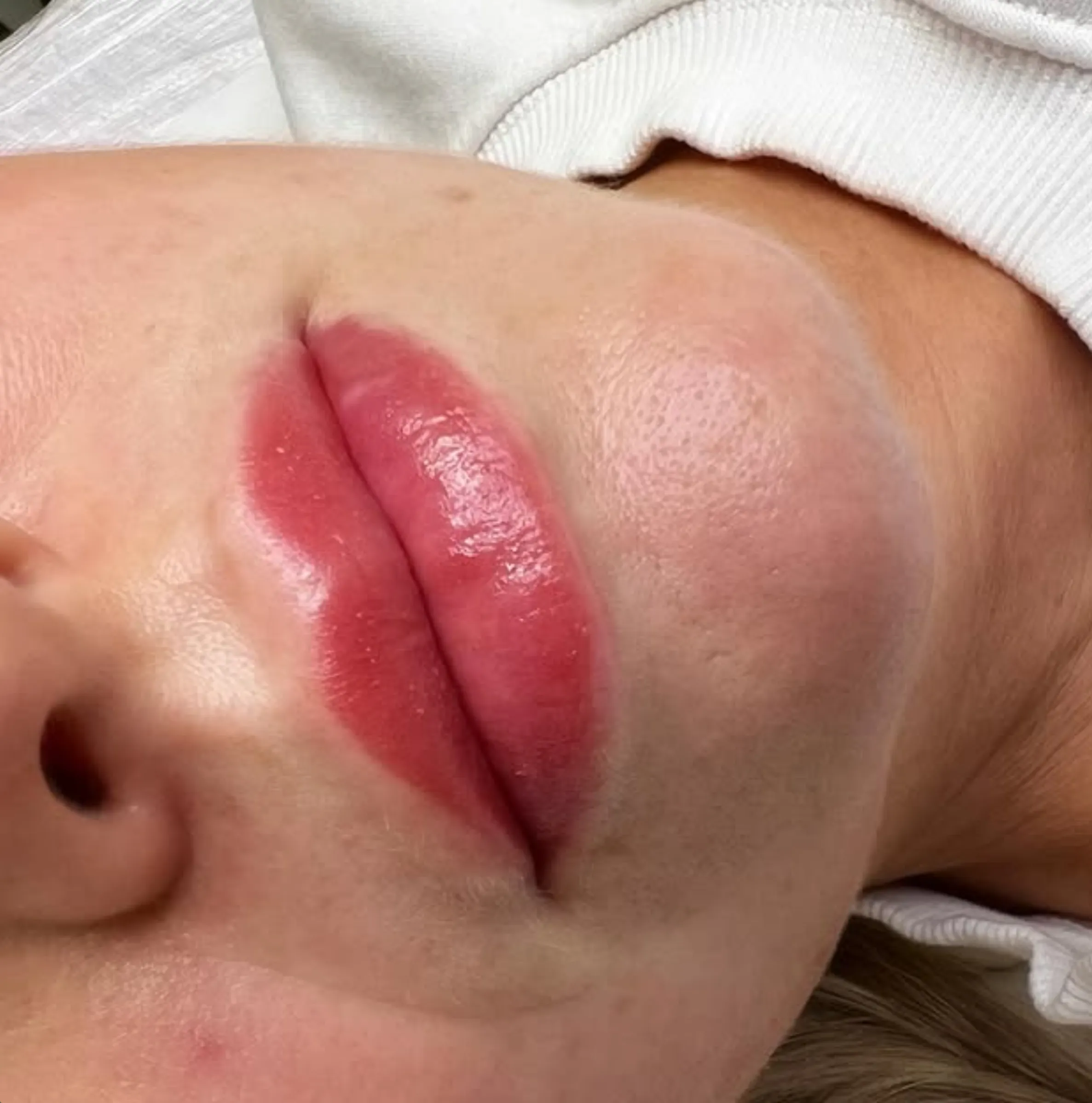
Lip blushing might be the go-to treatment for that soft tint and defined natural shape, but here’s the truth no one talks about enough: not every client is an ideal fit for a lip blushing tattoo. As a cosmetic tattoo artist in Melbourne, I’ve turned away plenty of people, not to be gatekeeping, but to protect their skin, lips, health and results.
If you’ve ever Googled “who is not a good candidate for lip blushing?” you’re already on the right track. This article breaks down the real reasons someone might not be suitable for this semi-permanent makeup procedure, based on years of hands-on experience and up-to-date beauty science.
Contents
- 1 Your Skin Health Matters More Than You Think
- 2 Medical Conditions That May Rule You Out
- 3 Let’s Talk Lip Filler, Scarring and Sensitivity
- 4 Medication and Lifestyle Factors That Impact Healing
- 5 When Expectations Don’t Match the Reality
- 6 Fitzpatrick Skin Type & Natural Lip Colour: What You Need to Know
- 7 Quick Reference: Who Might Not Be a Good Fit
- 8 Real Talk from the Treatment Room
- 9 Final Word: When in Doubt, Book a Consult
- 10 FAQs
Your Skin Health Matters More Than You Think
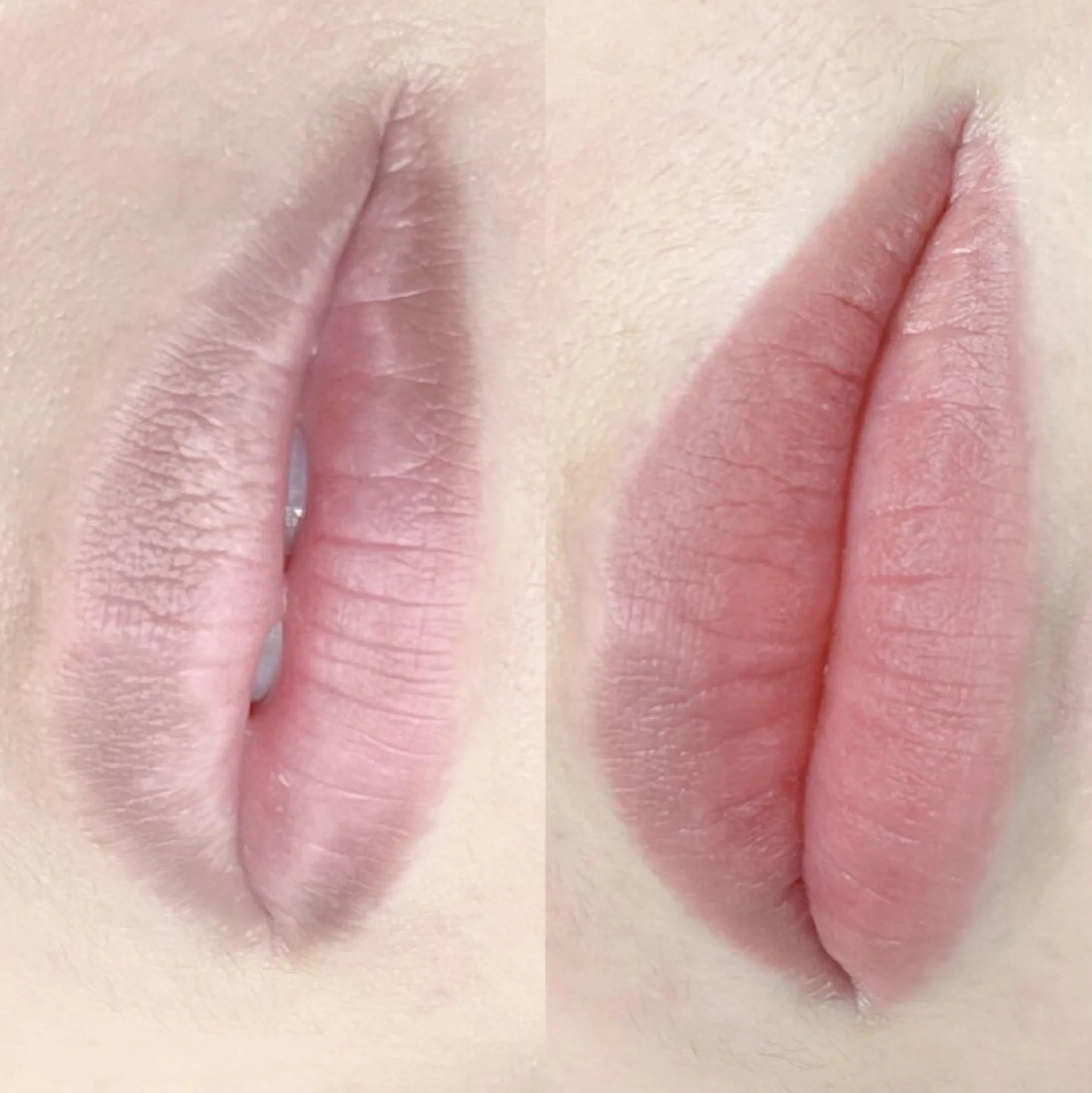
Healthy skin equals better-healed results. Simple as that. Lip blushing isn’t just about enhancing lip colour — it’s a trauma to the skin, and your body needs to be in a good state to repair itself properly.
Here are skin-related reasons you might be declined for lip blush tattooing:
- Active cold sores (or a history of frequent outbreaks): The trauma from lip blush can trigger the Herpes Simplex Virus (HSV type 1). Even one outbreak during the healing process can ruin pigment retention.
- Skin conditions around the lips (eczema, dermatitis, perioral dermatitis): Inflammation compromises your skin barrier and can affect how pigment is held or heals.
- Ongoing acne treatments like Roaccutane: These thin the skin and increase sensitivity. We recommend waiting at least 12 months post-treatment.
- Recent cosmetic treatments: Chemical peels, tanning beds, laser facials or skin needling within 4 weeks of your appointment can leave your skin too fragile to safely tattoo.
Always disclose what’s going on with your skin type and treatment history — even if it seems unrelated.
Medical Conditions That May Rule You Out
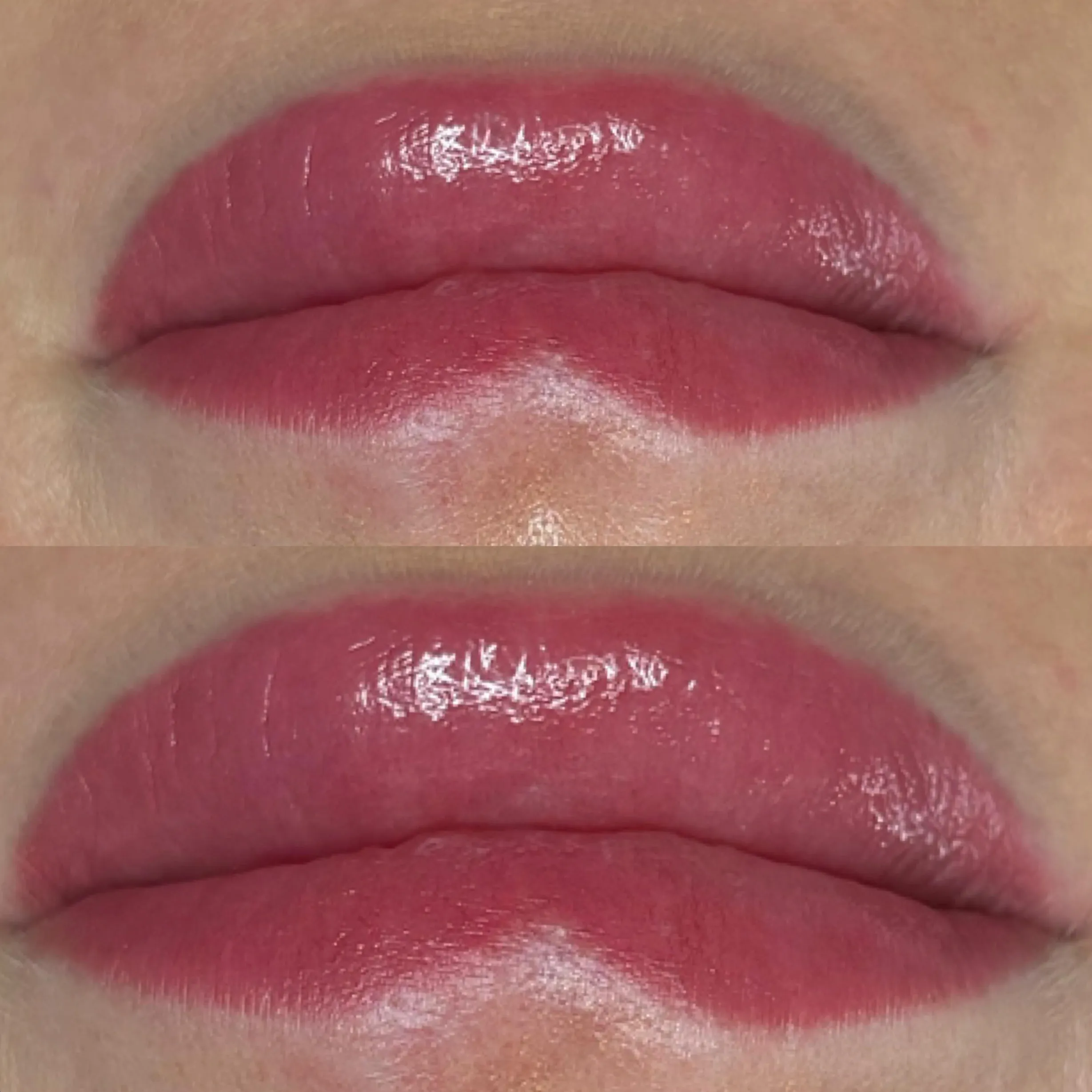
Certain health issues don’t mix well with semi-permanent cosmetic tattoo procedures. Lip blushing may be cosmetic, but it’s still an open wound that needs to heal safely.
You may not be a good candidate if:
- You are pregnant or breastfeeding
- You have uncontrolled diabetes (it can affect healing and increase the risk of infection)
- You’re on blood thinning medications (can lead to excessive bleeding and poor pigment retention)
- You have a compromised immune system (due to illness, autoimmune disease or medications like chemotherapy)
- You have a heart condition, blood disorders, platelet disorder or sickle cell anemia
Your GP may clear you, but your artist may still decline if the healing risk is too high. A doctor’s note may be required in some cases.
Let’s Talk Lip Filler, Scarring and Sensitivity
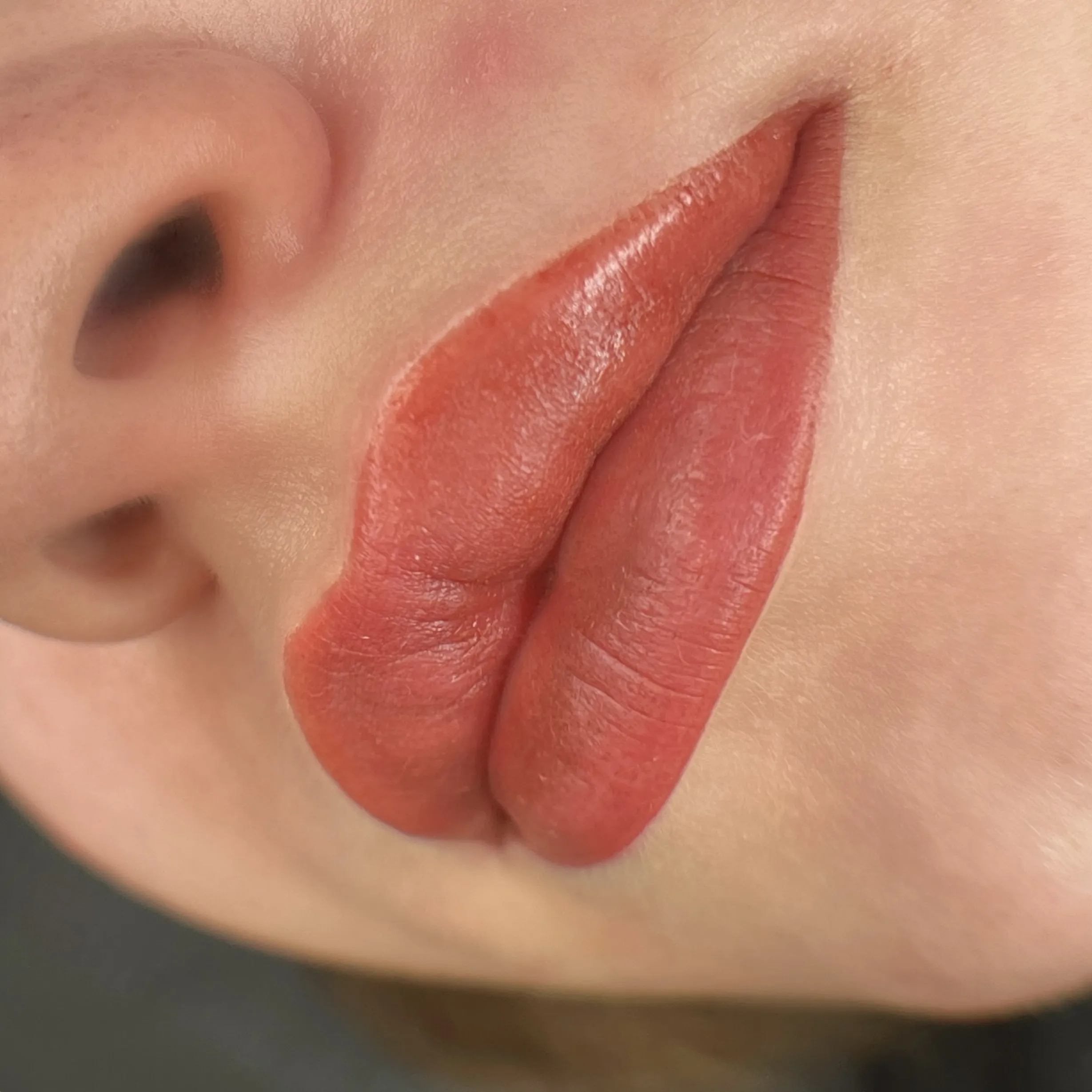
Lip blushing and lip filler can coexist, but timing is everything. If you’ve had injectables recently, or if your lips have scar tissue or hypersensitivity, it could affect the outcome.
Avoid tattooing if:
- You’ve had lip filler within the past 4 weeks (or plan to get it right after)
- You have raised scar tissue (especially keloid scarring) on or around the lips
- You’ve had allergic reactions to anaesthetics, tattoo ink, or cosmetic tattoo pigments before
- You experience extreme pain sensitivity or anxiety around procedures
Pro tip: If you’re not sure how your lips will react, do a consultation and ask about a patch test or discuss previous allergic reactions. Some clients may prefer a subtle Lip Tattoo to minimise discomfort while enhancing definition.
Medication and Lifestyle Factors That Impact Healing
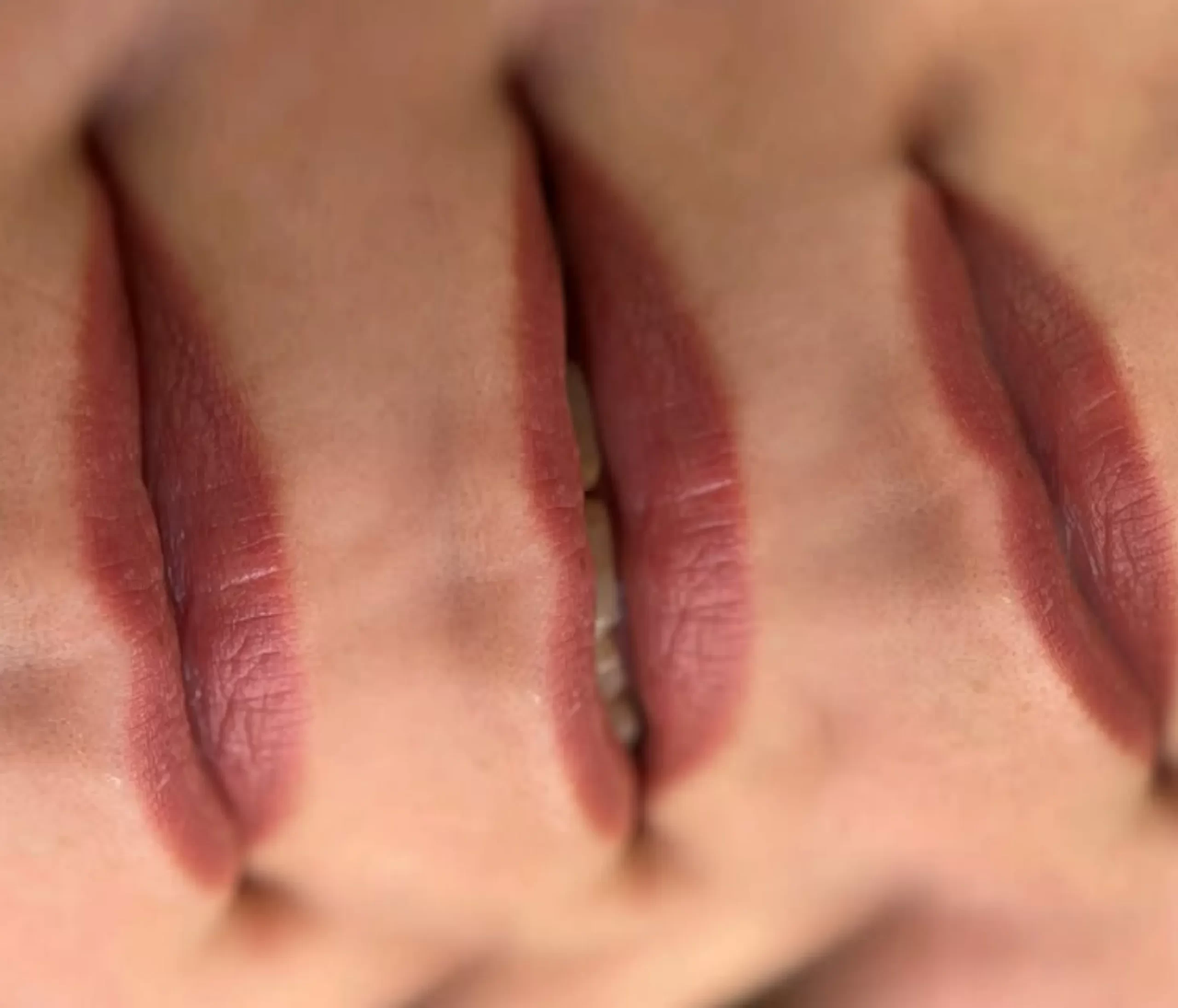
It’s not just about the cosmetic tattoo procedure itself — what’s going on in your daily routine can play a major role in how your lip blush heals.
You might want to delay or avoid lip tattooing if you:
- Smoke heavily (it reduces oxygen in the skin, slows healing and fades pigment)
- Take aspirin, fish oil, or anti-inflammatories regularly
- Are planning a beach holiday, laser facial, dental work or sun exposure in the next 7-10 days
- Have high stress levels (yep, it affects healing too)
Pigment doesn’t sit well in inflamed or oxygen-deprived skin. Timing your treatment around a calmer window is key. And remember, thorough lip tattoo aftercare instructions will be provided after your session to support optimal healing.
When Expectations Don’t Match the Reality
Some people aren’t the right fit for Lip Blush simply because their expectations don’t match what the treatment can deliver.
You might want to rethink it if:
- You want a dramatically darker or lipstick look result (Lip Blush is designed to enhance, not replace lipstick)
- You expect zero pain, no downtime or instant healing
- You’re uncomfortable with a bit of swelling, scabbing, or pigment fade during healing
- You’re chasing a “perfect” result on heavily pigmented lips or uneven lip borders without being open to a multi-session correction plan
In our Face Figurati Cosmetic Tattoo Studio in Melbourne, we always say: this is a semi-permanent makeup process, not a one-and-done miracle. Lip blush tattoo planning may require more than one session, depending on your goals and starting point.
Fitzpatrick Skin Type & Natural Lip Colour: What You Need to Know
Not every skin tone responds to permanent makeup the same way. Some clients need more prep, different pigments or even a lip neutralisation plan first.
Clients with Fitzpatrick 4–6 (medium to deep skin tones) or very cool-toned natural lips may experience:
- Darkening instead of brightening (especially if pigment isn’t correctly matched)
- Post-inflammatory hyperpigmentation if the skin is overworked
- Poor results if neutralisation isn’t done first
An experienced artist will assess this during your consultation. If you’re not a candidate now, they may suggest a staged approach with proper pigment prep and aftercare instructions to support healing after your Lip blushing tattoo.
Quick Reference: Who Might Not Be a Good Fit
| Situation / Condition | Reason Tattoo May Not Be Suitable |
|---|---|
| Active cold sore | High risk of HSV outbreak & pigment loss |
| Pregnant or breastfeeding | Safety concern for baby & healing |
| Recent Roaccutane use | Skin is too thin/sensitive for trauma |
| Ongoing skin condition (eczema, dermatitis) | Inflammatory risk |
| Recent fillers or peels | Affects pigment settling |
| Blood thinners | Excessive bleeding = poor retention |
| Fitz 5-6 or deep, cool-toned lips | May require neutralisation first |
| Unrealistic expectations | Misalignment with the outcome |
Real Talk from the Treatment Room
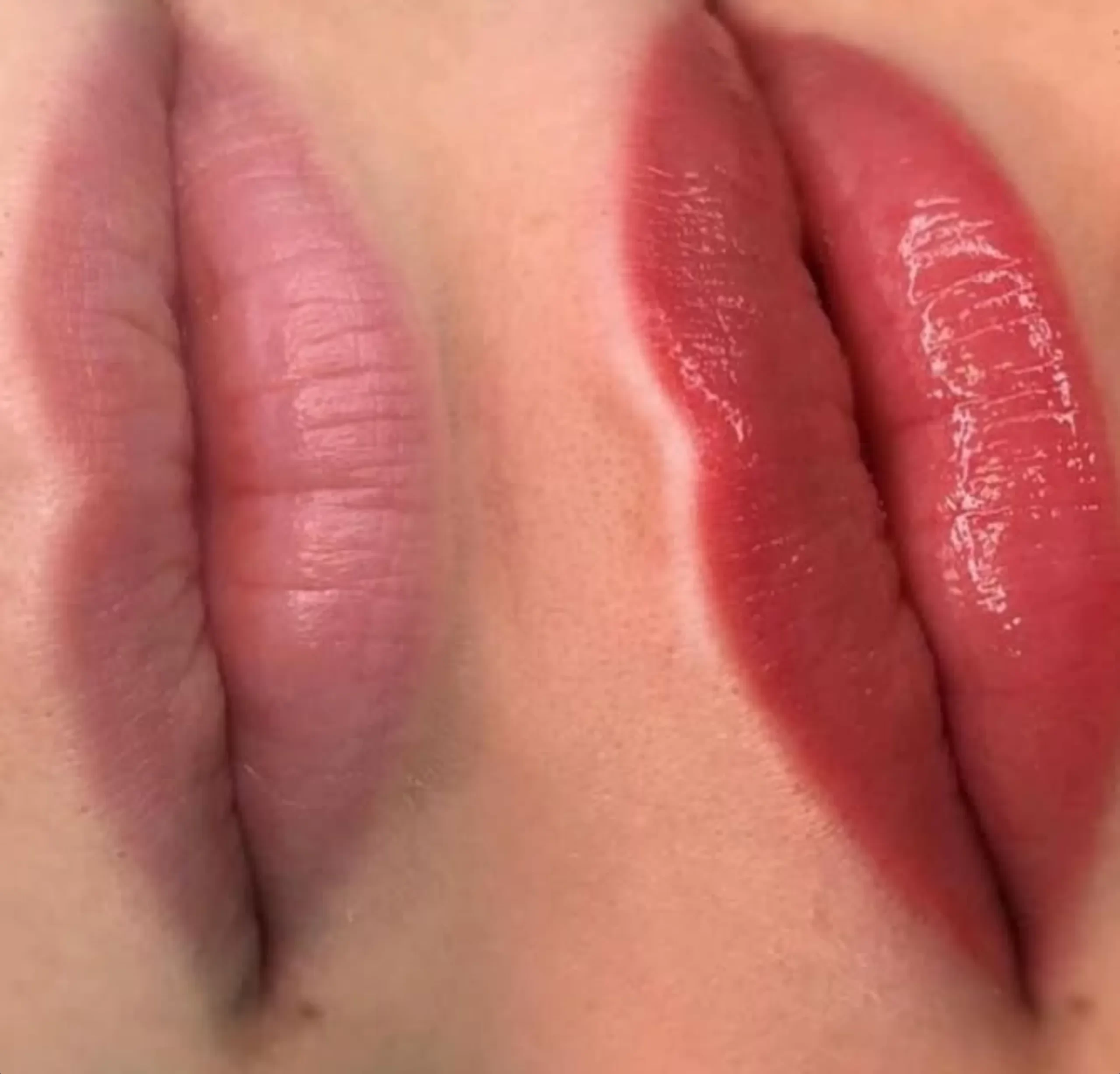
I once had a client in her 50s who came in wanting deep berry lips in one session. But she was on blood thinners, had just returned from a beach holiday, and had a history of cold sores. We postponed and worked with her GP, included antiviral medication, and adjusted her plan. Two months later? A safe, beautiful result — and a happy, informed client.
This is why consults matter. No Instagram photo or beauty mark trend beats tailored, honest advice from a pro who knows your skin and your story. Lip tattooing can be stunning — but only when done on the right canvas, at the right time.
Final Word: When in Doubt, Book a Consult
Lip blushing can be a confidence boost when done right, on the right canvas. But knowing who isn’t a good candidate is just as important as knowing who is.
If you’re unsure about your skin, immune system, health, timing, or healing potential, book a consult. A proper in-person assessment (with patch test if needed) can save you money, pain, and disappointment.
FAQs
Can I get lip blush if I’ve had lip fillers?
Yes, but you need to wait at least 4 weeks post-filler to allow swelling to settle and prevent pigment migration along the lip line.
What happens if I get a cold sore after lip tattooing?
It can affect healing and cause pigment loss. If you have a history of cold sores or HSV, we strongly recommend taking antiviral medication before and after your appointment.
Is lip blushing safe during pregnancy?
No. Even though it’s a surface-level semi-permanent makeup treatment, there isn’t enough safety data to recommend tattooing during pregnancy or breastfeeding.
Can darker lips be lightened with Lip Blush?
Yes, but it requires a neutralisation process using specialised pigments and possibly multiple sessions for optimal lip colour balance.
What if I’m anxious about pain?
Discuss it during your consultation. We use numbing cream and can walk you through what to expect. If your anxiety is high, you might want to wait or try a less invasive beauty treatment like lip balm tinting or coconut oil scrubs first.