Tattooing at home might sound like a cheap way to build your skills or give your mates a bit of ink on the cheap. But here’s the catch: “Is it illegal to tattoo at home in Australia?” isn’t just a yes-or-no question — it depends on where you live, how you’re operating and whether you’re meeting health and safety standards. Whether you’re a curious beginner or an aspiring tattoo artist looking to start a tattoo business, you need to know the rules. As someone who’s spent years in the tattoo industry (and seen my fair share of kitchen disasters come into the tattoo studio for corrections), let me walk you through what’s legal, what’s not and why your garage set up could land you in serious trouble.
Contents
Here’s What Aussie Law Says
Every state and territory in Australia has different legislation around tattooing. But one thing’s for sure: you can’t just buy tattoo equipment from eBay, plug it in next to your toaster and start tattooing. Here are the key factors that make a tattoo setup legal:
- Tattooist Licence & Registration: Most states require you to have a tattooist licence or be registered with the local council or state body.
- Premises Approval: You can’t legally tattoo out of your home unless it’s a licensed premises that meets council and health department regulations.
- Infection Control Certification: You must have up-to-date training in infection control, often HLTINF005 or equivalent.
- Record Keeping & Consent: You need signed client consent, especially when there’s an age restriction. Clients under 18 often require parental consent depending on your state’s policies around tattoos.
Let’s break it down state by state in the next section.
Legal Requirements by State and Territory
Here’s an up to date snapshot of tattoo laws across Australia as of 2025. Always check your local health department for the most current requirements.
| State/Territory | Tattoo Licence Required | Home Tattooing Legal? | Infection Control Training | Penalties for Illegal Tattooing |
|---|---|---|---|---|
| NSW | Yes (Tattooist and Premises Licence) | No (unless council-approved) | Mandatory HLTINF005 | Fines up to $55,000 or 2 years in prison |
| VIC | Yes (Business and Operator registration) | No (without council registration) | Required | Fines up to $37,310 or prosecution |
| QLD | Yes (Tattooist licence + criminal check) | No | Required by QLD Health | Up to $26,690 fine or imprisonment |
| WA | Yes (Body Art Licence) | No | Required | Varies – includes criminal charges |
| SA | Registration needed | No (unless approved by the council) | Required | Penalties apply under health act |
| TAS | Registration required | Not permitted without approval | Required | Up to $20,000 fine |
| ACT | Must notify public health | Home setups are not generally approved | Required | Enforcement via Health Protection Service |
| NT | Licensing required | Council inspection required | Required | Fines and/or closure of operation |
Why Home Tattooing is a Risk
So technically yes — tattooing at home can be legal if you jump through every hoop: council approval, dedicated clean room, proper sinks, equipment sterilisation, waste disposal contracts, and more. But let’s be honest. Most home-based businesses don’t meet these.
And that’s where the real health risks kick in:
- Infection & Cross-Contamination: No autoclave? No single-use setup? That’s how clients end up with staph, bacterial infection or even blood-borne diseases.
- Legal Liability: Tattooing someone under age or with a medical condition without proper documentation? That puts your business, your client’s health and your future at risk.
- No Insurance: If something goes wrong you’re exposed. Public liability doesn’t cover unlicensed tattoo parlours.
- Client Harm: Uneven lines, allergic reactions or botched tattooing procedures can result in body marks that need expensive cosmetic tattoos or removals.
The Cost of Unlicensed Tattooing
We’ve all seen the TikToks: someone proudly showing off their first stick-and-poke done on the lounge room floor. But behind the scenes? Professional tattoo artists are fixing infections, removing scarred-over designs and trying to rebuild trust.
When people tattoo at home illegally:
- It undermines tattoo businesses that comply with Australian standards, building standards and maintain proper business plan structures.
- It increases public health alerts due to the spread of infectious diseases through body fluids.
- It feeds public mistrust of tattoo parlours and body art providers trying to raise safety standards.
The Legal Path
If you’re passionate about body art procedures and want to build a sustainable tattoo business here’s what you actually need:
- Apprenticeship or Supervised Training: Learn the tattoo process under a qualified, professional tattoo artist.
- Complete Infection Control Training: Take HLTINF005 or HLTINF006 to learn about hygiene and handling body piercing procedures safely.
- Register Your Studio: Whether it’s a traditional tattoo parlour or a studio set up within a body corporate, you must register it with the council.
- Adhere to Regulations: Maintain a clean condition, follow advice on cleaning and uphold safety standards.
- Understand Legal Documents: Be prepared with policies, insurance, client waivers and health disclosures.
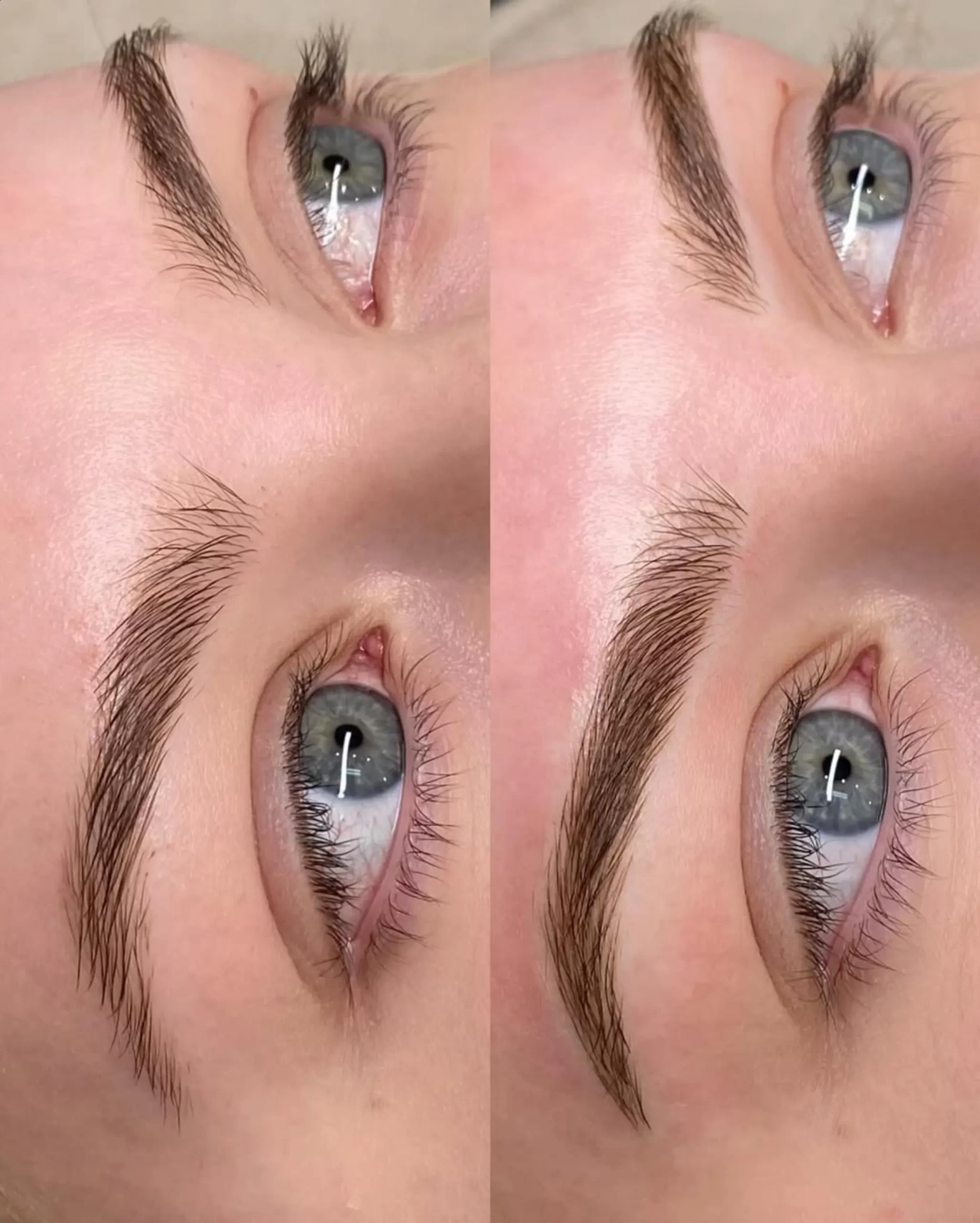
At Cosmetic Tattoo Brisbane Studio Face Figurati we regularly speak with students completing their cosmetic tattoo course and guide them through the steps of becoming a certified cosmetic tattoo artists in Queensland.
Is It Ever Safe or Legal?
In short: no unless your home setup meets all licensing and Australian health standards. Practising on friends without approval puts health at risk and can permanently impact your ability to work as a licensed tattoo artist.
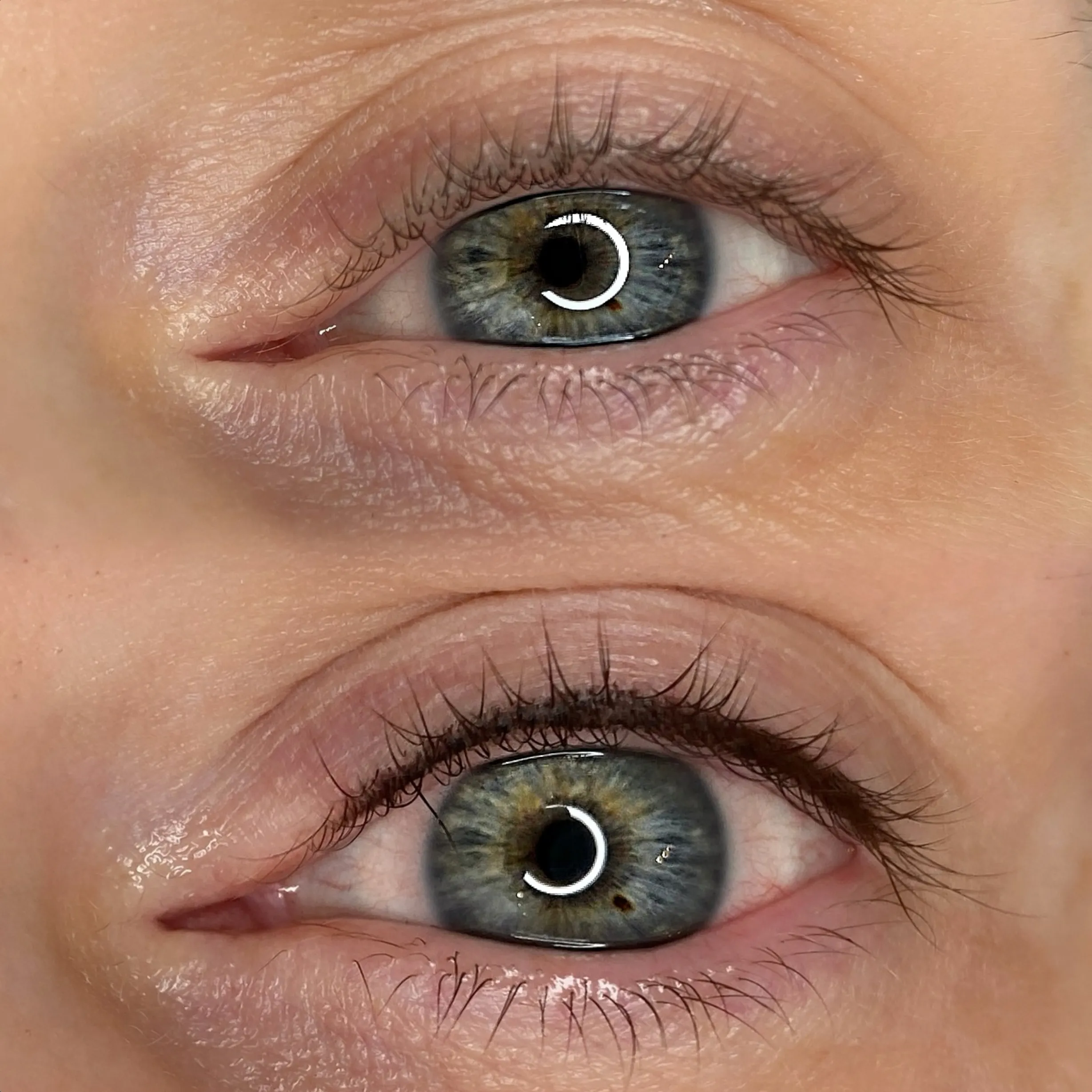
Some tattoo studios allow supervised work on fake skin or human models under licensed conditions. That’s the safe, smart, legal way to learn the art. We also remind students that cosmetic tattooing, especially for services like cosmetic tattoo eyeliner, should never be attempted without proper tools, training and sterilised premises.
2025’s Rise in Health Investigations
According to the Australian Institute of Health and Welfare, 2025 saw a 17% rise in tattoo-related health issues, mostly from illegal or unsafe tattooing. Reported cases often involved:
- Non-sterile tattoo equipment
- Unregulated cosmetic tattoos
- Exposure to body fluids without PPE
- Improper disposal of sharps
The spike has led to stronger enforcement and more scrutiny from health departments especially in areas where home based businesses are booming due to economic conditions.
Cultural, Age and Medical Considerations
When doing any body art tattooist work you must consider:
- Age Restrictions: No tattooing under 18 without verified parental consent.
- Medical Reasons: Know when to refuse services due to pre-existing medical conditions.
- Cultural Background: Be mindful of ethnic heritage and the meanings behind body art and body piercing.
- Type of Tattoo/Piercing: Not all types of tattoo or type of piercing are suitable for all clients.
Final Take
Tattooing is more than ink. It’s skin, blood, nerves, immune system and stories. So if you’re asking “Is it illegal to tattoo at home in Australia?” the safe answer is: in almost all cases yes — unless you’re operating under legal documents, in licensed premises, with approved tattoo equipment and trained in infection control.
Want to work in the tattoo industry long term? Build your tattoo business with pride. Follow the right path and your work will speak for itself.
At Face Figurati we help aspiring cosmetic tattoo artists meet legal and professional standards through high quality education and mentoring — because cosmetic tattooing deserves the same rigour as any health aligned practice.
FAQ
Can I tattoo at home in Australia if I don’t charge money?
No. Even if it’s free, tattooing without a licence or on unclean, unapproved premises is illegal.
What if I only do stick-and-poke tattoos?
The same rules apply. Stick-and-poke is body art and still requires proper conditions.
Can I practice on fake skin at home?
Yes. That’s totally legal and a good way to practice before touching human skin.
Do I need a qualification to tattoo in Australia?
Yes — especially in infection control. While there’s no national diploma, states require documented training and supervision.
Is cosmetic tattooing at home illegal too?
Yes. Cosmetic tattooing involves skin penetration and carries the same risks as body art tattooists work. They must follow body art provider regulations and be done in approved studios.