When clients ask me, “Which two serums cannot be used together?”, I get a little smile going on – it means you’re actually paying attention to your skincare routine, not just chasing after the latest trends. In my Brisbane studio, The Facial Hub, I’ve seen some absolutely amazing results when serums are layered the right way… and just as many disasters when potent ingredients clash – kind of like a couple turning up to an exes wedding together.
My name’s Sevine Forster – and I’m here to walk you through all this in a super gentle way – especially when you’re working with big hitters like vitamin C, glycolic acid and benzoyl peroxide. These are the sorts of formulas that can pack a bit of a punch.
Contents
- 1 Why Some Ingredients Just Don’t Mix
- 2 When Vitamin C and Retinol Don’t Get Along
- 3 Why Hydroxy Acids and Retinol Are Too Intense Together
- 4 The Truth About Niacinamide and Vitamin C
- 5 Why Benzoyl Peroxide and Retinol Need Space
- 6 A Helpful Guide to What Works — And What Doesn’t
- 7 What Happens When You Use Clashing Ingredients
- 8 A Simple Way to Layer Your Skincare With Confidence
- 9 Understanding Brisbane Skin — And Why Climate Matters
- 10 A Final Note Before You Build Your Routine
- 11 FAQ
- 11.1 Can I mix vitamin C and retinol and use them on the same day?
- 11.2 Is it advisable to layer salicylic acid and retinol?
- 11.3 Why can’t I use benzoyl peroxide and retinol together?
- 11.4 Will hydroxy acids help with dark circles or uneven skin tone?
- 11.5 Are peptides like Acetyl Hexapeptide-8 good buddies to retinol and vitamin C?
Why Some Ingredients Just Don’t Mix
Your skin is pretty clever – but it’s also super sensitive to getting confused. When two strong actives come together, your barrier can get a bit overwhelmed, and before you know it, your skin is sending out distress signals – we’re talking redness, tingling, peeling, or that icky roughness that just pops up out of nowhere one morning.
I’ve seen a lot of this in Brisbane: clients come in for a lift and sculpt facial at The Facial Hub, thinking they have stubborn dryness, when in reality they’ve just been layering the wrong combinations.
But – get it right, and things totally change – your skin becomes stronger, more predictable, and your whole skincare routine becomes an enjoyable part of your day.
When Vitamin C and Retinol Don’t Get Along
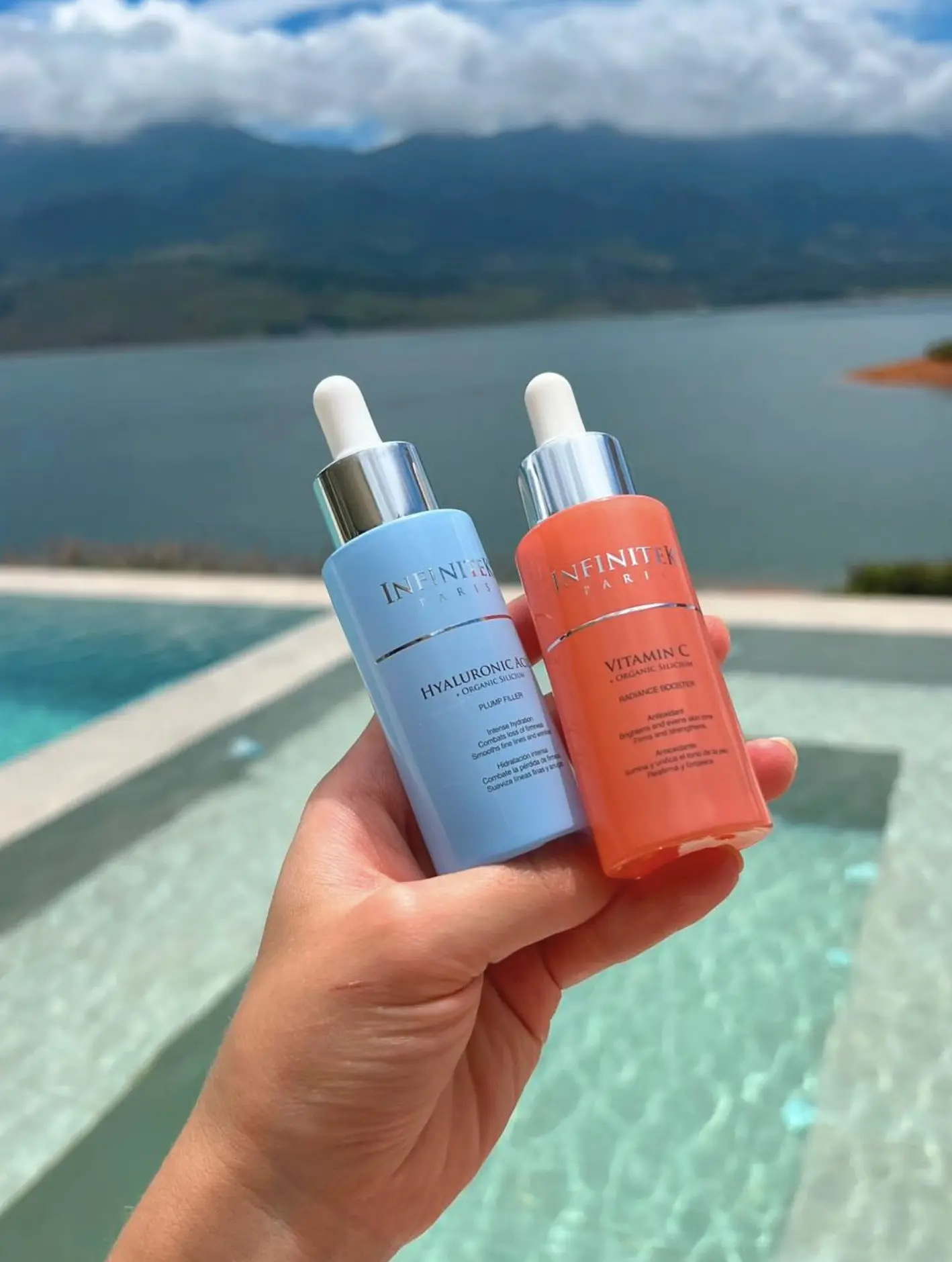
Vitamin C is a total game-changer – it brightens up your complexion, wards off damage from the sun, and generally keeps your skin looking nice and even. Retinol, on the other hand, is like the ultimate anti-aging superstar – it really gets the skin cells moving and leaves you looking fresher and more radiant. Both are amazing, but they just don’t work well together.
Each of them needs a different environment to thrive. Vitamin C (especially the L-ascorbic acid with ferulic acid combo) is all about maintaining a low pH, while Retinol prefers a slightly more neutral pH. When you mix ’em, neither of them does its thing, and your skin pays the price with sensitivity.
A good old-fashioned LED light therapy at The Facial Hub is just what the doctor ordered for clients who’ve gone a bit overboard with their layering.
A simple one-two split is all you need:
- Morning: Vitamin C for antioxidant protection
- Evening: Retinol for overnight repair
A 2026 clinical review found that over 60% of irritation from active serums was due to incorrect pairing, with this duo among the top offenders.
Why Hydroxy Acids and Retinol Are Too Intense Together
AHAs such as glycolic acid and lactic acid dissolve dead skin cells and help clear congested pores. Then there’s retinol, which helps with the whole renewal thing – and when you combine the two, well, you get a right old over-reaction.
I’ve seen loads of clients come in convinced they are “purging”, but the truth is their skin is actually sending out some warning signs:
- Cheeks that feel tighter than usual
- It stings when you wash your face
- Red patches that are looking pretty inflamed
- Tiny little breakouts are popping up because your skin barrier is getting a bit weak
Rather than keeping these ingredients separate, many people think that it’ll just hold back their progress – but really, it’s about protecting your skin’s long-term health and progress.
I’m often inclined to put high-impact activities on hold until we’ve rebuilt a solid foundation, and getting a facial is a great way to calm things down while we do that.
The Truth About Niacinamide and Vitamin C
The old wives’ tale that you can’t use these two together is based on pretty outdated research. To be fair, though, even modern formulations can still cause issues – especially if you’re using a low-pH vitamin C and you’ve got sensitive skin, like me, when I’m down in Brisbane in the summer, it’s a real problem.
If your skin reacts easily or you’re dealing with delicate skin affected by hormonal changes, it’s often better to alternate between these ingredients. Getting a hydrafacial can be very helpful when you’re trying to rebalance your skin before reintroducing vitamin C, and that’s where I send my clients when they’re irritated.
At the end of the day, your skincare regimen should be one that your skin loves – not one that the internet is adamant you should be following.
Why Benzoyl Peroxide and Retinol Need Space
Both benzoyl peroxide and retinol are pretty amazing for acne-prone skin, but if you use them together, you can get a really harsh reaction. Benzoyl peroxide kills off bacteria that cause acne. At the same time, retinol works on a deeper level by helping to renew skin cells – but together they can dry and irritate your skin something awful.
Common signs that you’re using too many strong actives include:
- Bits of your skin are hanging off
- Your skin is more sensitive than usual
- You’re getting red around your active breakouts
- Healing is a right old mess
Rather than trying to “toughen up” and push through the discomfort, the best plan is to space out these ingredients so you achieve more calm, steady progress. Once your skin has settled down, LED light therapy can be a real game-changer in helping your skin recover.
A Helpful Guide to What Works — And What Doesn’t
Table: Effective & Ineffective Serum Pairings (2026 Clinical Summary)
| Serum Combination | Safe? | Why It Works / Doesn’t Work | Best For |
|---|---|---|---|
| Hyaluronic Acid + Vitamin C | ✔️ | Boosts hydration + antioxidant protection | Sun-affected skin, dullness |
| Niacinamide + Retinol | ✔️ | Strengthens skin barrier + improves tolerance | Sensitive or maturing skin |
| Peptides (e.g., Acetyl Hexapeptide-8) + Most Actives | ✔️ | Supportive + soothing | Dryness, irritation |
| Vitamin C + Retinol | ❌ | Conflicting pH + irritation risk | Use separately |
| AHAs/BHAs + Retinol | ❌ | Excess exfoliation | Use on alternate nights |
| Benzoyl Peroxide + Retinol | ❌ | Barrier disruption | Morning vs night schedule |
This chart helps clients understand why some routines work beautifully, and others feel like a chemistry experiment gone wrong.

What Happens When You Use Clashing Ingredients
Your skin’s a quick responder when it gets overwhelmed. And it’s usually not the subtle kind of reaction either – more like red flags waving in the wind. Flaking, sudden breakouts, lingering redness or a weird shininess that just screams something’s gone wrong with your skin’s defences.
We had a client in Brisbane who decided to layer on the glycolic acid, salicylic acid, vitamin C and retinol all in one go – the next morning, she looked like her cheeks were on fire. Needless to say, we had to hit the reset button and start building her routine back up from scratch – with a lot more care and attention.
In the weeks that followed, we sort of ‘reset‘ her with a few facials and then gradually started working in those potent ingredients again – but much more carefully.
A Simple Way to Layer Your Skincare With Confidence
The thing is, it’s not about having the most complex product portfolio – it’s about being consistent with what works. And for most of our clients, it’s as simple as:
- A cleanser that matches their skin type
- A hydrating mist – not essential but a lifesaver on those sticky QLD afternoons
- A gentle, hydrating serum – keeps things nice and calm
- Just one active product – don’t overdo it
- A moisturiser to keep everything locked in
- SPF every morning
This approach is all about listening to your skin and letting it find its natural rhythm. Sometimes a lift & sculpt facial at The Facial Hub is the perfect treat when you want to look a bit more lifted, a bit more energised, and with a bit more collagen.
Understanding Brisbane Skin — And Why Climate Matters
Queensland’s humidity means your serums absorb more quickly. This means you might find they feel much stronger in the warmer months and gentler in winter. It’s not uncommon for people to be using retinol in June but struggling in February. That’s where having a game-changing facial can really make a difference.
So when the seasons start to shift, and your skin starts to get a bit haywire, a hydrafacial at The Facial Hub is a great choice – it helps get rid of that congestion and brighten up dullness, all without putting too much strain on your skin – perfect when you just need to rebalance your actives.
A Final Note Before You Build Your Routine
Your routine needs to feel good, not weird and confusing. If you are still determining which combinations might work or have questions about which two serums can’t be used together, I’m here to help.
Pop in to The Facial Hub in Brisbane, and we’ll work through your products together. I want to ensure each one is supporting what you’re trying to achieve with your skincare. I keep this guide up to date so you can refer to it whenever you have a question.
FAQ
Can I mix vitamin C and retinol and use them on the same day?
Technically, yes, but only if you separate them. Use vitamin C in the morning and retinol at night so both can work without irritating your skin.
Is it advisable to layer salicylic acid and retinol?
Nope, not recommended. Both of these do the same thing – turn over skin cells, so overdoing them can just end up making your skin all inflamed and darker.
Why can’t I use benzoyl peroxide and retinol together?
Because benzoyl peroxide can kinda shut down retinol – and if you’ve got acne-prone skin, it can just get overwhelmed.
Will hydroxy acids help with dark circles or uneven skin tone?
AHAs and BHAs can help brighten up those dark spots, but just be gentle with them around your eye area – that skin is just way too delicate.
Are peptides like Acetyl Hexapeptide-8 good buddies to retinol and vitamin C?
Absolutely, they are. Peptides work well with many ingredients and support your skin barrier, making those products perform better than they would on their own.