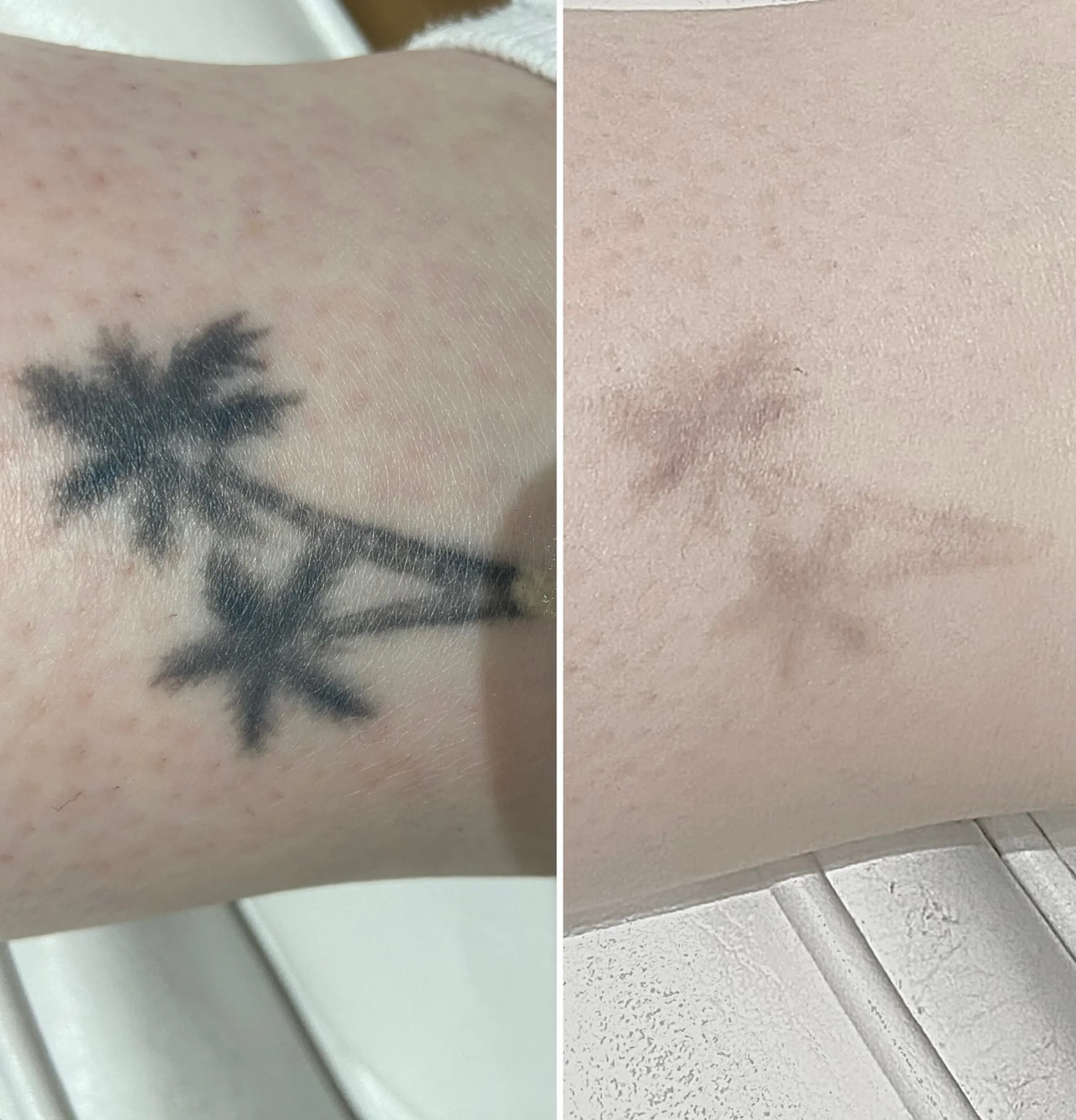
Can salt and ice remove a tattoo? You’ve seen the TikTok clips — someone pressing a chunk of ice over salt, claiming it “magically” fades tattoo ink. As cosmetic tattoo artists in Brisbane with over 15 years in the beauty industry between us, we (Uliana Kasperska and Anastasia Petkov) at Cosmetic Tattoo Studio Brisbane Face Figurati have seen this question pop up a lot lately. And while we love a good beauty hack as much as the next person, we also know when one’s a disaster waiting to happen.
This post isn’t just about why the salt-and-ice trick doesn’t work — it’s about what really happens to your skin, the safer tattoo removal options available, and how to protect your skin (and your wallet) from long-term skin damage.
Contents
- 1 The Origins of the Salt and Ice Tattoo “Hack”
- 2 How Tattoo Ink Lives in Your Skin
- 3 Why Salt and Ice Tattoo Removal Is Bad News
- 4 The Science vs. the Myth
- 5 A Brisbane Case Study: DIY Disaster
- 6 What Actually Works for Tattoo Eradication
- 7 Why Brisbane’s Climate Makes DIY Riskier
- 8 Healing Timeline After Salt and Ice Burns
- 9 Cost Comparison: DIY vs. Professional
- 10 Safe Tattoo Removal Tips
- 11 Conclusion
- 12 FAQ
The Origins of the Salt and Ice Tattoo “Hack”
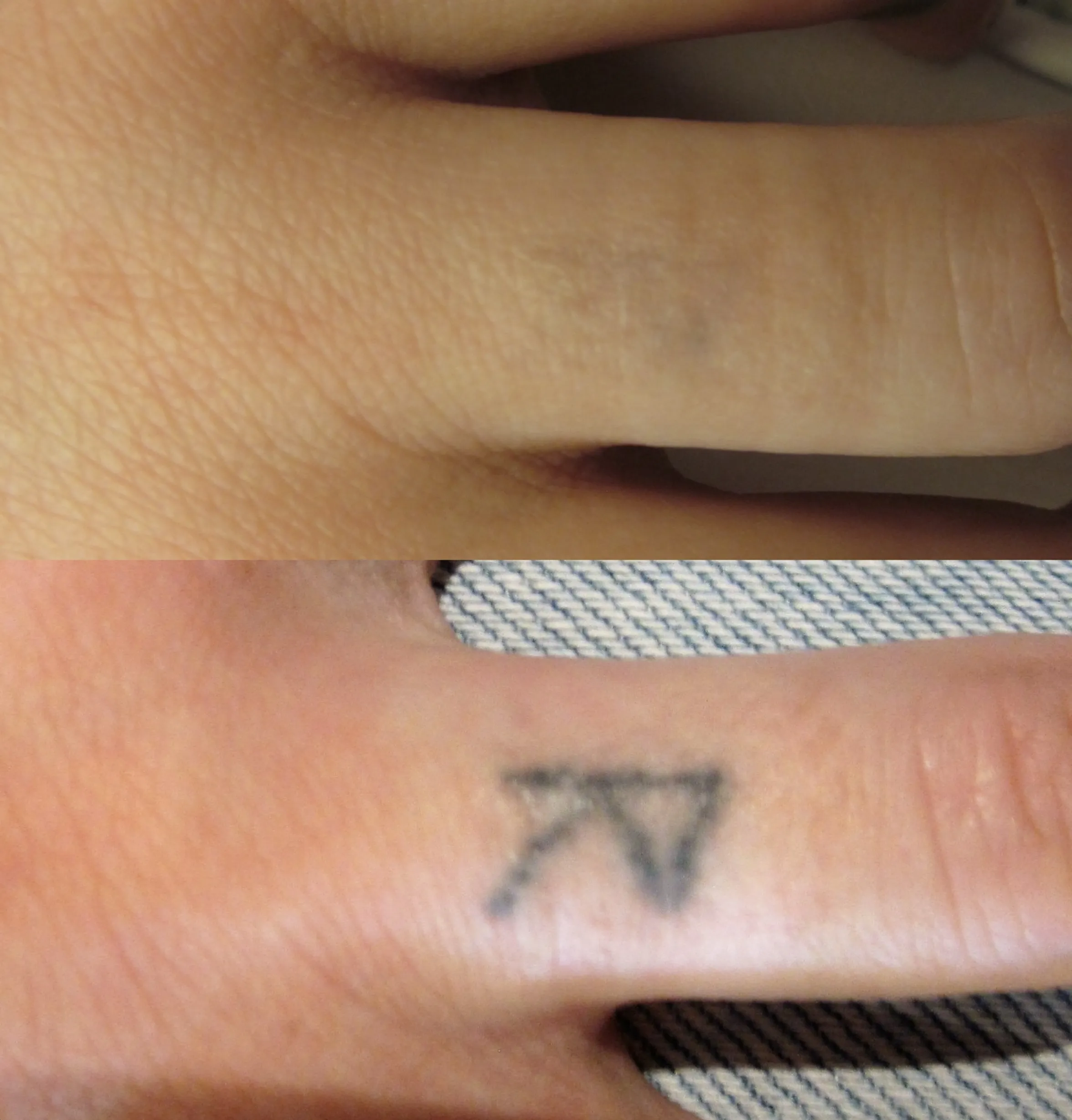
The salt-and-ice trend didn’t start with tattoos — it first went viral as a dare among teens. Salt lowers the freezing point of water, so when combined with ice, it speeds up frostbite-like burns. When this crossed into the tattoo removal world, the theory was that salt water could draw out tattoo pigments while the ice numbed pain. Unfortunately, tattoos aren’t surface stains; the pigment sits deep in the dermis, making this method useless to remove tattoo pigment.
How Tattoo Ink Lives in Your Skin
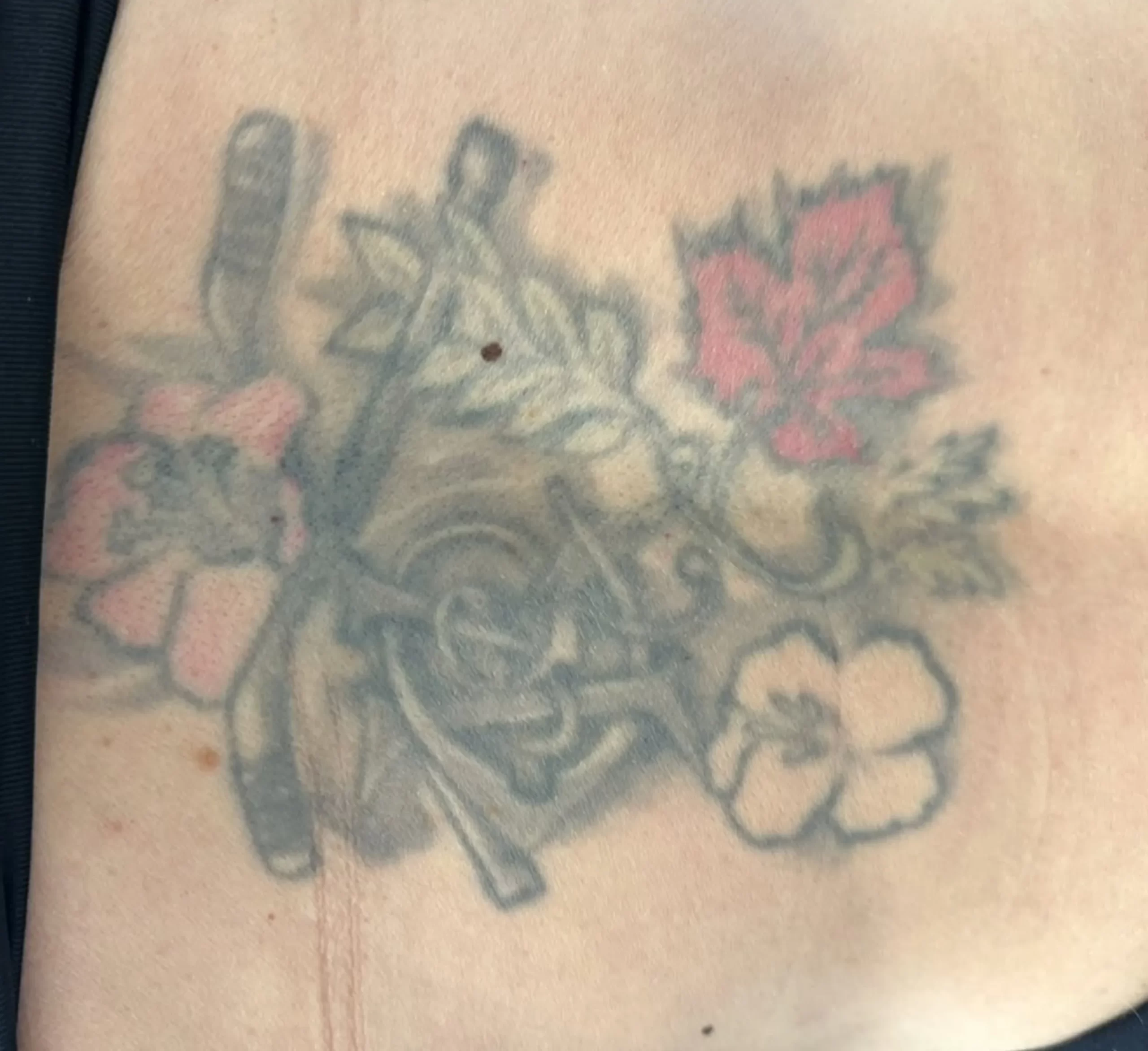
Tattoo pigments are deposited into the dermis, the second skin layer, whether from a tattoo parlor or cosmetic tattoos like microblading, scalp micropigmentation or permanent makeup. These ink particles are locked in place by collagen, making them resistant to surface abrasion. Home remedies like salt and lemon juice, glycolic acid or chemical peels cannot penetrate this deep without significant injury. This applies equally to eyebrow tattoo removal — only professional methods can reach and break down the pigment.
Why Salt and Ice Tattoo Removal Is Bad News
Here’s what can go wrong with salt and ice:
- Frostbite burns — Salt speeds up freezing, destroying skin cells quickly.
- Infection risk — Open wounds invite bacteria, especially microblading wounds or cosmetic tattoo sites.
- Permanent scarring — Keloid scarring and skin discoloration are common outcomes.
- Pigment distortion — Healed skin may have pigmentation changes, making laser eyebrow tattoo removal or cover up tattoos more complicated.
The Science vs. the Myth
| Claim | Reality |
|---|---|
| Salt draws out tattoo pigments | Ink is too deep; removal needs laser tattoo removal or surgical removal |
| Ice numbs pain | Ice doesn’t prevent deep tissue damage |
| It’s cheaper than laser treatment | Medical care for burns can cost more than a full laser tattoo removal plan |
| Skin heals perfectly | Risk of keloid scarring and skin discoloration is high |
A Brisbane Case Study: DIY Disaster
A client came to Cosmetic Tattoo Studio Brisbane Face Figurati after trying the salt-and-ice method on a small brow tattoo. She wanted to remove tattoo pigment cheaply instead of paying for professional laser eyebrow tattoo removal. She ended up with scar tissue, skin damage and the tattoo still visible – and had to book multiple laser sessions to fix the result.
What Actually Works for Tattoo Eradication
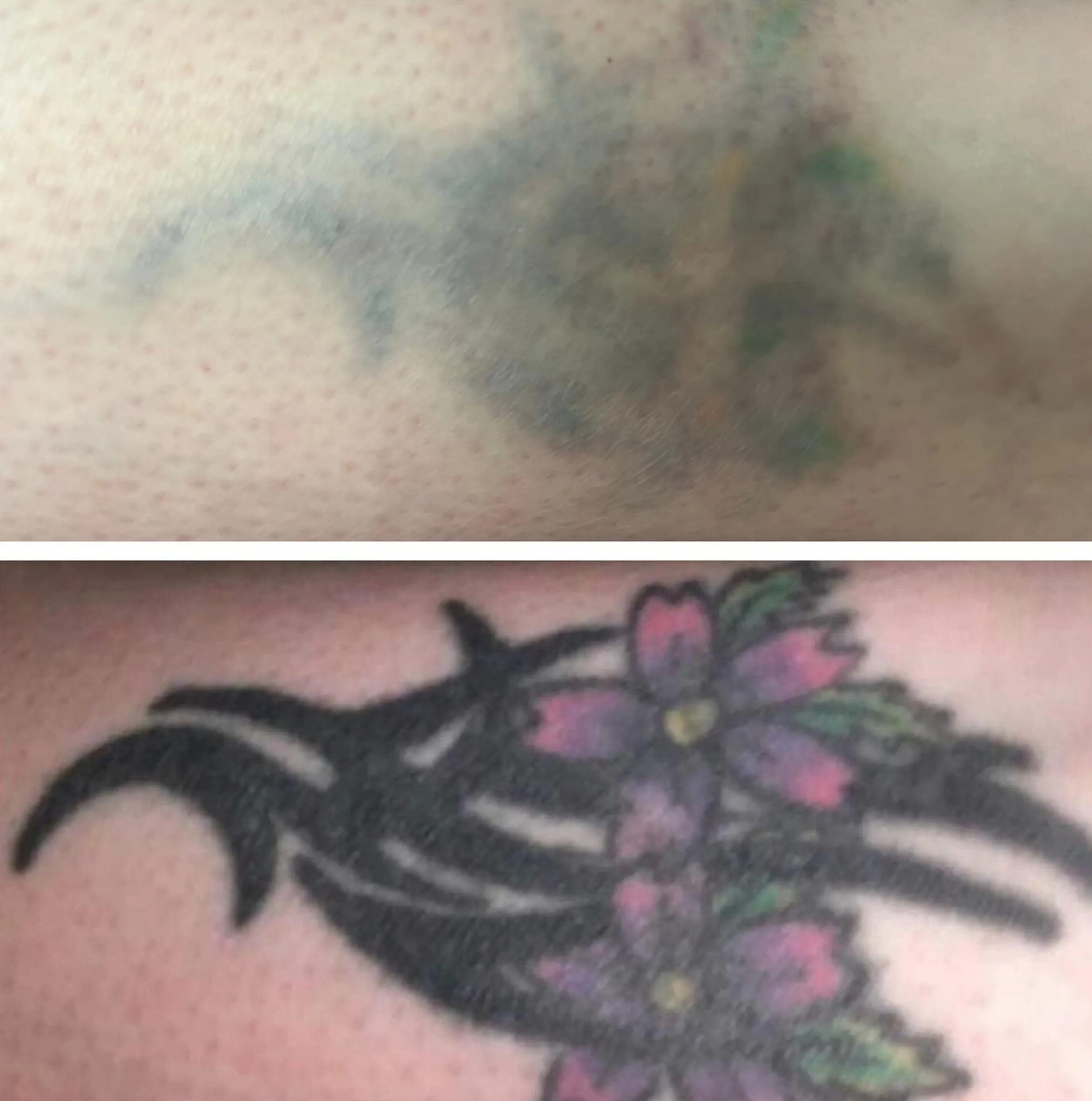
- Laser Tattoo Removal / Laser Therapy
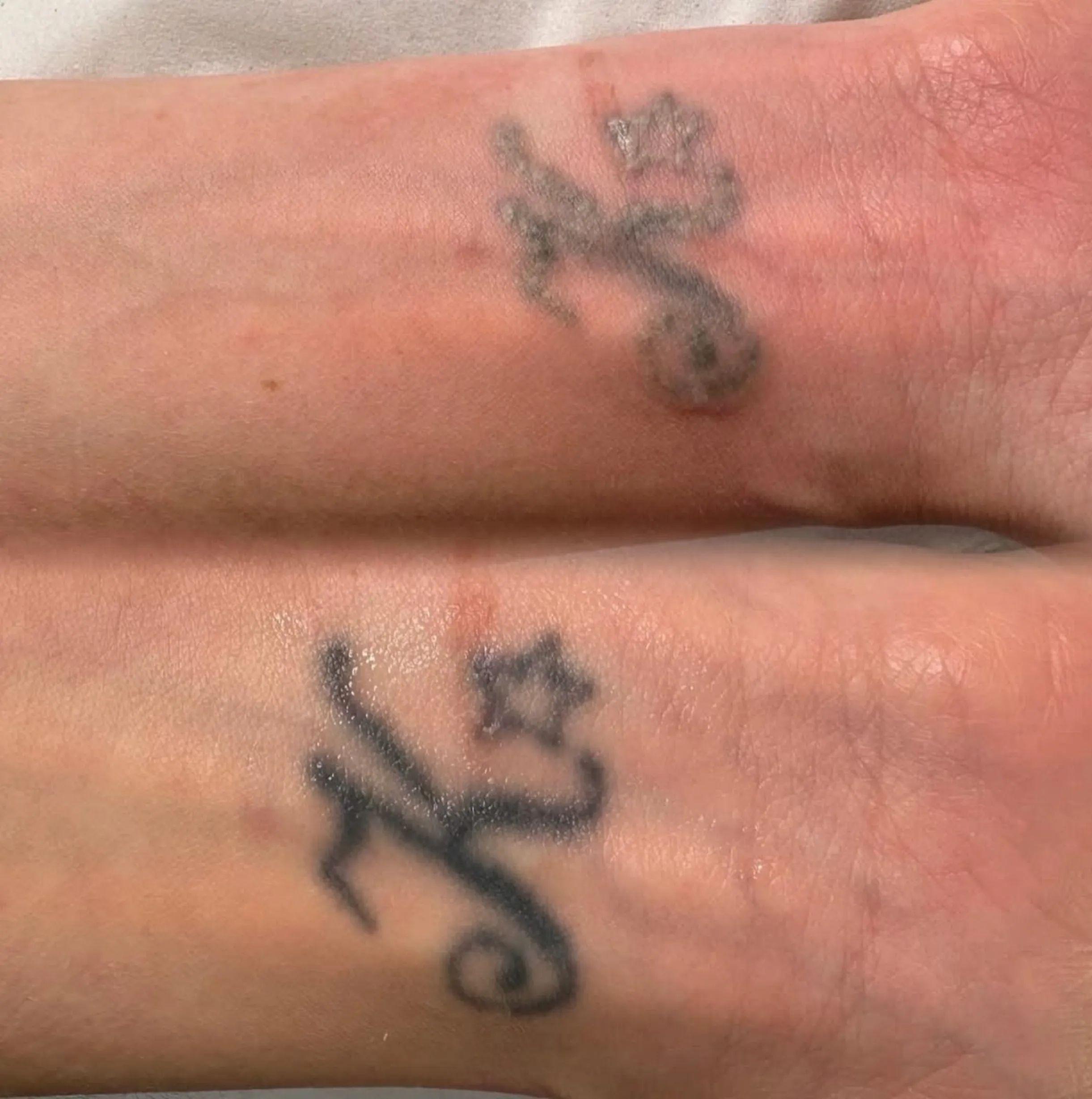
Laser removal uses light energy to break up ink particles so the body can clear them. Multiple treatments are needed, 6-8 weeks apart. This is the gold standard for tattoo removal and eyebrow tattoo removal. - Surgical Removal / Skin Grafts
Effective for small tattoos but leaves a scar. A doctor may recommend this if laser tattoo removal isn’t suitable. - Saline Tattoo Removal
A saline solution is tattooed into the area to lift pigment. This method can work for cosmetic tattoos but still carries risk of skin irritation.
Why Brisbane’s Climate Makes DIY Riskier
Humidity and UV exposure slows healing and increases pigmentation changes after wounds. Using unsafe methods like salt-and-ice or a tanning bed after treatment can make skin damage permanent.
Healing Timeline After Salt and Ice Burns
| Week | Visible Signs | Beneath the Skin |
|---|---|---|
| 1 | Redness, blisters | Ice burn destroys epidermal cells |
| 2 | Scabbing, tightness | Dermis collagen damaged |
| 3–4 | Peeling, infection risk | New tissue fragile |
| 5–8 | Scar tissue forming | Uneven collagen laid down |
| Months | Raised/shiny scars | Permanent skin texture changes |
Cost Comparison: DIY vs. Professional
| Method | Upfront Cost | Hidden Costs | Likely Outcome |
|---|---|---|---|
| Salt & Ice | $0–$10 | Burn care, scar creams, lost work | Scar + tattoo still visible |
| Laser Removal | $150–$400/session | Multiple laser sessions | Faded or removed tattoo |
| Surgical Removal | $250+ | Scar care, possible revision | Tattoo gone, scar remains |
Safe Tattoo Removal Tips
- Have a treatment plan with a qualified doctor.
- Don’t do chemical peels, salt and lemon juice or trichloroacetic acid at home.
- Don’t use a tanning bed before or after laser tattoo removal.
- Consider fading for a cover up tattoo rather than full removal.
Conclusion
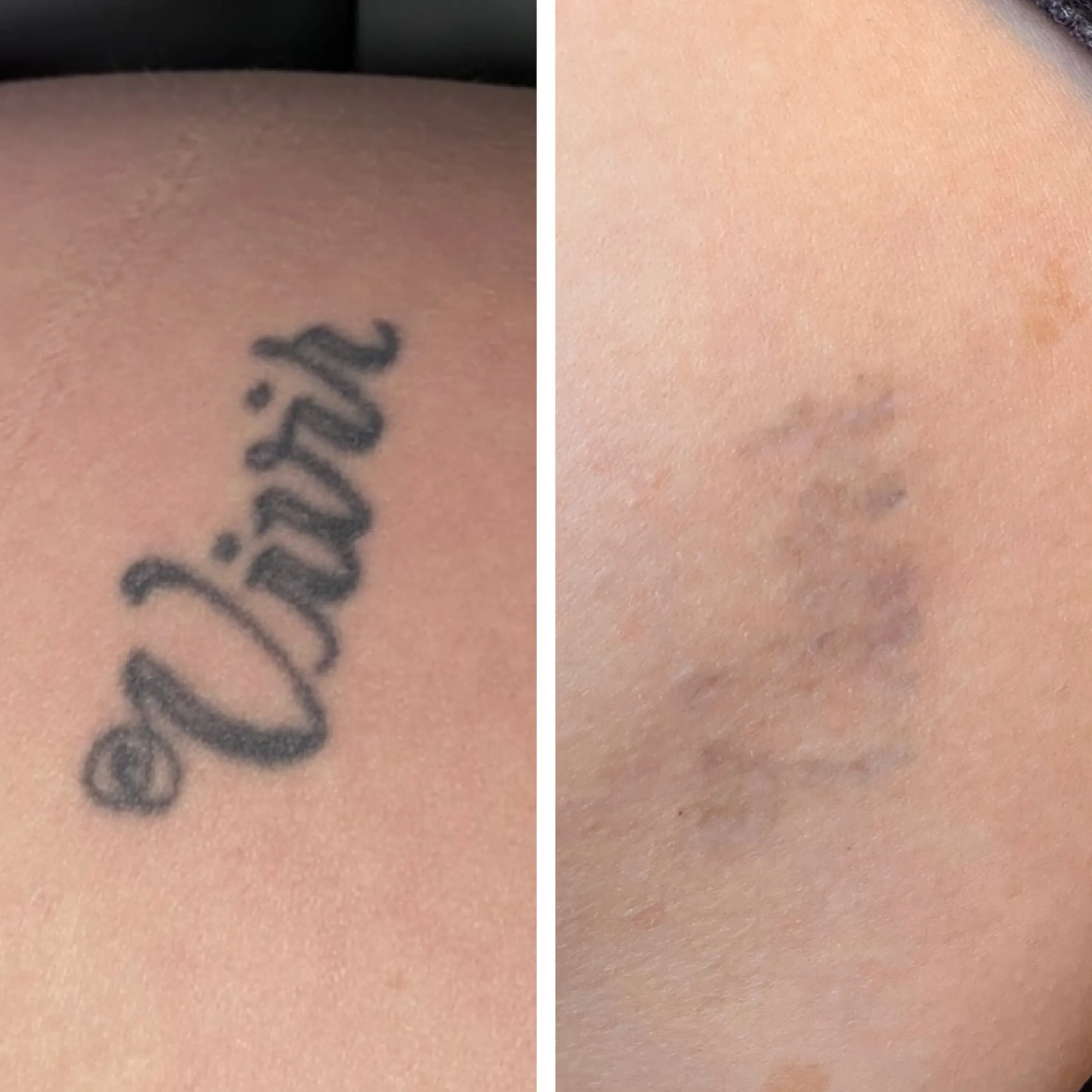
Salt and ice aren’t tattoo removal tools — they’re a fast track to scars and skin damage. Brisbane locals have safe options: laser tattoo removal, eyebrow tattoo removal, and saline tattoo removal by trained tattoo artists and medical professionals at Cosmetic Tattoo Studio Brisbane Face Figurati. Book your consultation, discuss your treatment plan and give your skin the care it deserves.
FAQ
Does salt water fade tattoos?
Not effectively or safely — only professional methods like laser tattoo removal or saline tattoo removal work.
How many sessions for full tattoo removal?
4-10 depending on tattoo pigments, ink particles and your immune system.
Are there side effects from laser treatment?
Yes, including skin irritation, pigmentation changes and rare keloid scarring.
Can you remove tattoo pigment from cosmetic tattoos?
Yes — laser eyebrow tattoo removal, saline tattoo removal or surgical removal can be used.
What’s the safest way to remove tattoo ink from brows?
Laser eyebrow tattoo removal with a tailored treatment plan from Cosmetic Tattoo Studio Brisbane Face Figurati is the least risk.