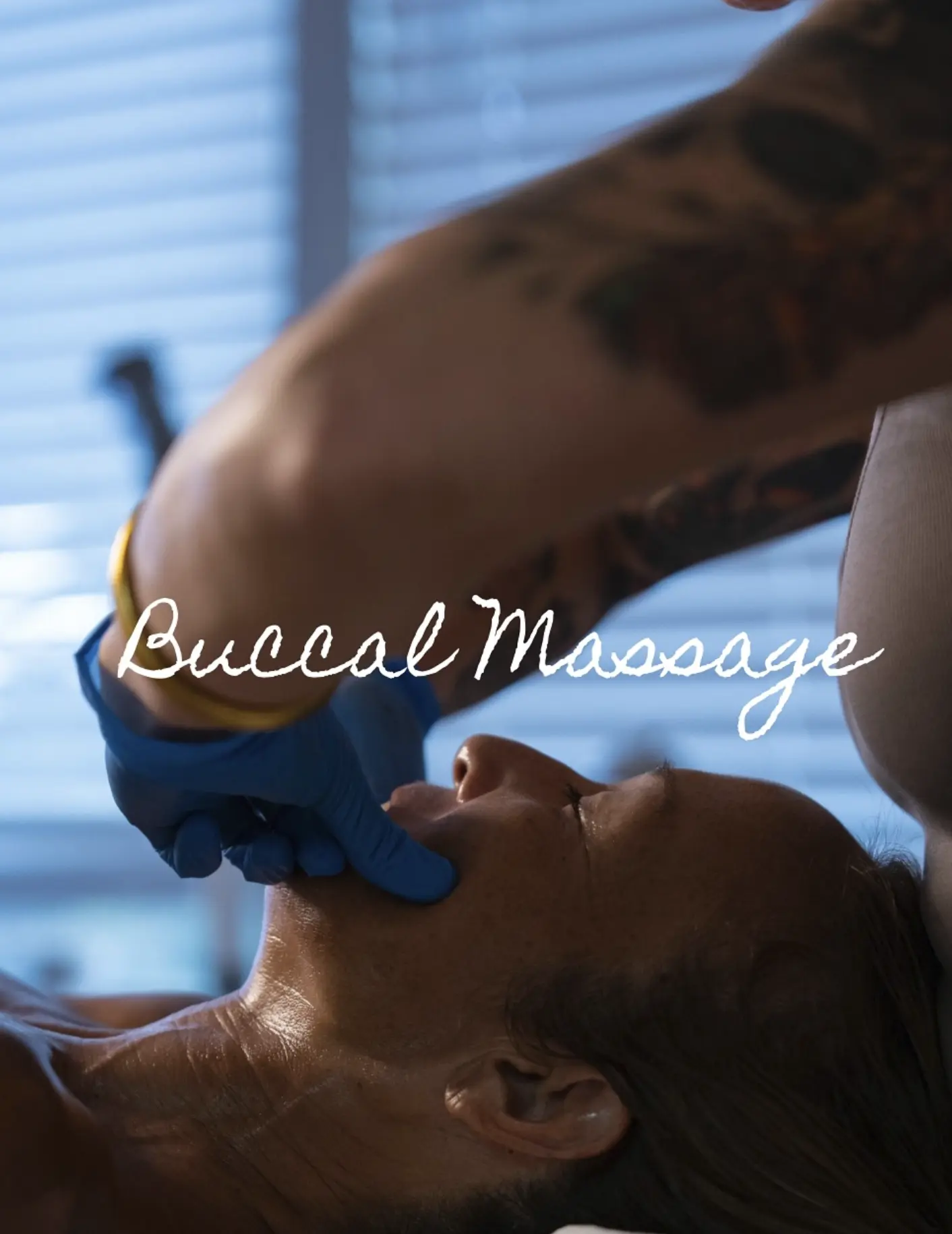
Is there evidence of emotional release during buccal massage? It’s a question I get asked a lot in the treatment room at The Facial Hub, usually from clients who’ve left a session feeling lighter, calmer or, in some cases, suddenly emotional. The quick answer is: yes, there is some emerging scientific support suggesting the mind and body are connected, and that touch can have an impact, but most of what we see comes from people who have experienced it firsthand, not from actual scientific evidence.
At The Facial Hub, we’ve seen firsthand how a good buccal facial massage can have a knock-on effect on the whole nervous system – often in unexpected ways. I’ve been working on this stuff for nearly two decades now, using facial massage, buccal massage and other advanced treatments, and I can tell you that this just isn’t something that’s going on in some people’s imaginations – it’s very real.
So let’s strip away the hype and get down to what’s really going on.
Contents
- 1 What Happens Physically During Buccal Massage
- 2 What Research Suggests About Mind–Body Responses
- 3 What I Observe In Real Client Sessions
- 4 Clearing Up Common Misconceptions
- 5 Why The Nervous System Plays A Central Role
- 6 What A Session Looks Like In Practice
- 7 Who Tends To Notice Deeper Changes
- 8 Measuring Results Beyond Sensation
- 9 How Brisbane Conditions Influence Facial Tension
- 10 When To Pause Or Adjust Treatment
- 11 Final Thoughts: What To Realistically Expect
- 12 FAQ
What Happens Physically During Buccal Massage
The physical side of things is pretty interesting because emotional releases don’t just happen out of the blue. They’re usually linked to what’s going on in the muscles.
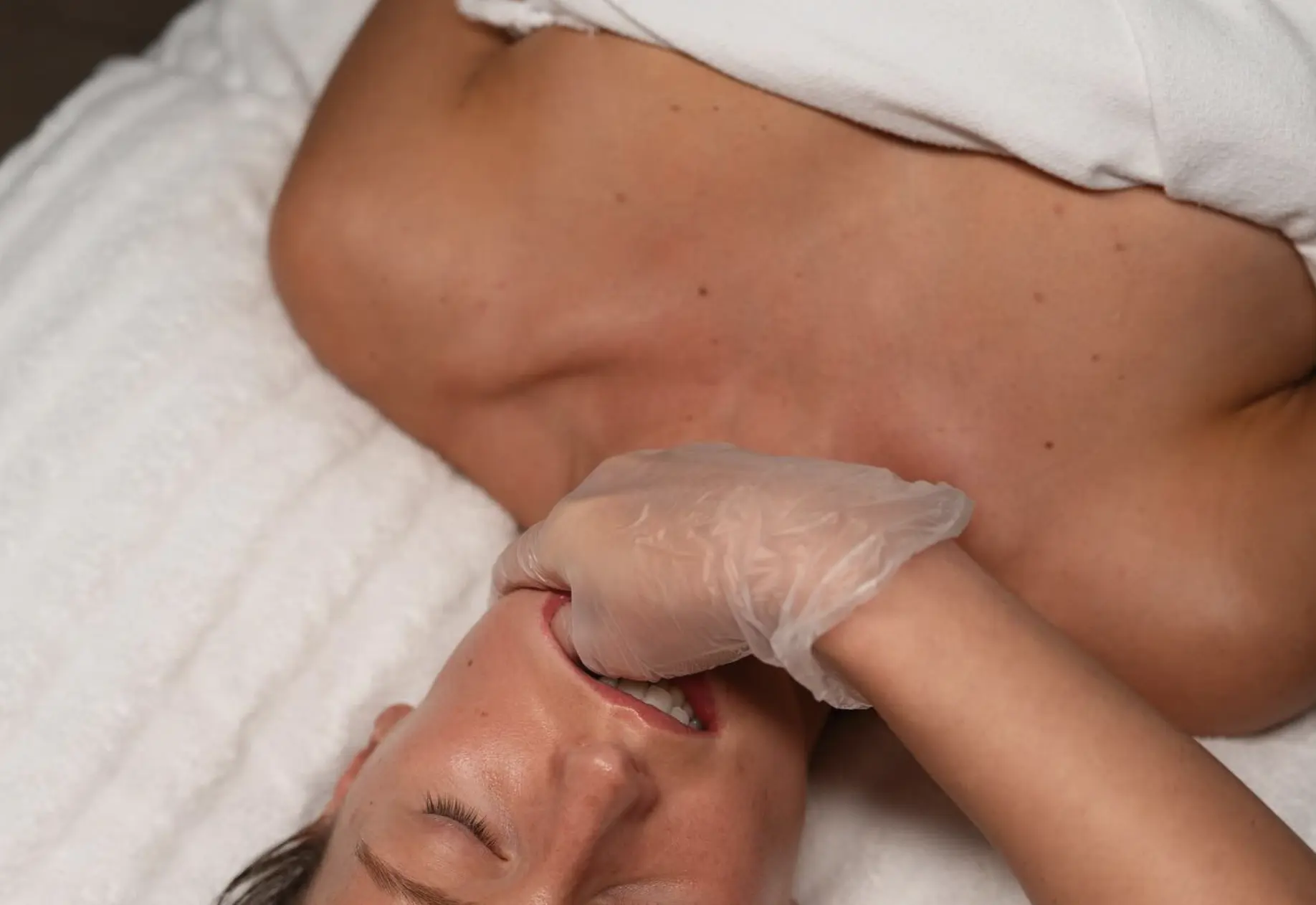
Buccal massage is a pretty advanced technique that targets the deeper facial muscles – including the masseter muscle and the pterygoid muscles – and is also often described as an inside-out facial because it targets these muscles from within. It’s a massage that works from both the outside and in. When I do this at The Facial Hub, I use a glove to protect the client’s teeth and mouth while I work out the tension in the deeper muscles.
Why This Matters For The Body
- The face and jaw are deeply connected to the nervous system
- All that chronic muscle tension tends to sit in the jaw and cheeks
- Techniques like trigger point release and deep pressure can actually influence neurophysiological mechanisms
- Improved blood circulation and tissue nourishment are great for skin health in the long run
When these systems start to relax, the body tends to move towards a more relaxed state and feel less stressed.

What Research Suggests About Mind–Body Responses
Let’s keep our feet on the ground and look at what we actually know.
To be honest, there is currently no direct scientific evidence (and probably won’t be for a while) to say that buccal massage itself triggers emotional release. However, the neighbouring research in massage therapy, craniosacral therapy, and nervous system therapy does provide useful insights.
Supporting Evidence From Related Fields
| Area Of Research | What It Shows | Why It Matters |
|---|---|---|
| Massage therapy studies | Reduced salivary cortisol and improved relaxation | Indicates measurable stress reduction |
| Trigger point studies | Improved pressure pain threshold using tools like pressure algometer | Explains relief from deep muscle work |
| Nervous system regulation | Activation of the parasympathetic branch | Supports calm, restorative states |
| Biopsychosocial model | Links physical, emotional, and neurological responses | Explains why some people feel emotional shifts |
So even though the science is a bit unclear about whether online about this topica buccal massage will trigger emotional release, the underlying mechanisms – including vagus nerve involvement and autonomic nervous system regulation – are pretty well established.
What I Observe In Real Client Sessions
Now this is where things tend to get a whole lot more interesting.
Having worked at The Facial Hub, I’ve had the chance to observe a wide range of responses from clients during buccal massage. Some people just feel a lot better physically – a bit less jaw tension, fewer tension headaches, and some much-needed muscle balance. Others experience something a bit deeper.
One client in particular sticks out in my mind. She came in with persistent jaw clenching & facial pain – one of those classic symptoms of chronic stress. As I worked through the deeper layers of the cheek area, releasing those pesky myofascial trigger points, her breathing naturally slowed. Her shoulders relaxed. Before I knew it, she was getting a bit emotional – not overwhelmed, just looking a whole lot lighter.
This is pretty much in line with that fancy term interoceptive awareness – essentially, the body becoming more aware of its own internal state when you finally start to release all that tension.
To be honest, it can be pretty subtle, and it’s not something you can expect to happen every time (so let’s get that myth busted).
Clearing Up Common Misconceptions
I’ve been seeing a lot of misinformation floating around online about this topic, so let’s clear some things up.
What People Get Wrong
- “Everyone will have this deep, emotional reaction”
- The truth is, most people just end up feeling a whole lot more relaxed & a heck of a lot less tense.
- “It means deep emotional trauma is going to get released”
- Sometimes it’s just your nervous system shifting out of stress mode & relaxing already.
- “More pressure equals better results”
- Actually, overworking the tissue can cause more problems & disrupting that all-important muscle balance.
When I do buccal facial massages at The Facial Hub, I often incorporate lymphatic drainage, facial massage, and tools like gua sha to make sure the system isn’t overwhelmed.
Why The Nervous System Plays A Central Role
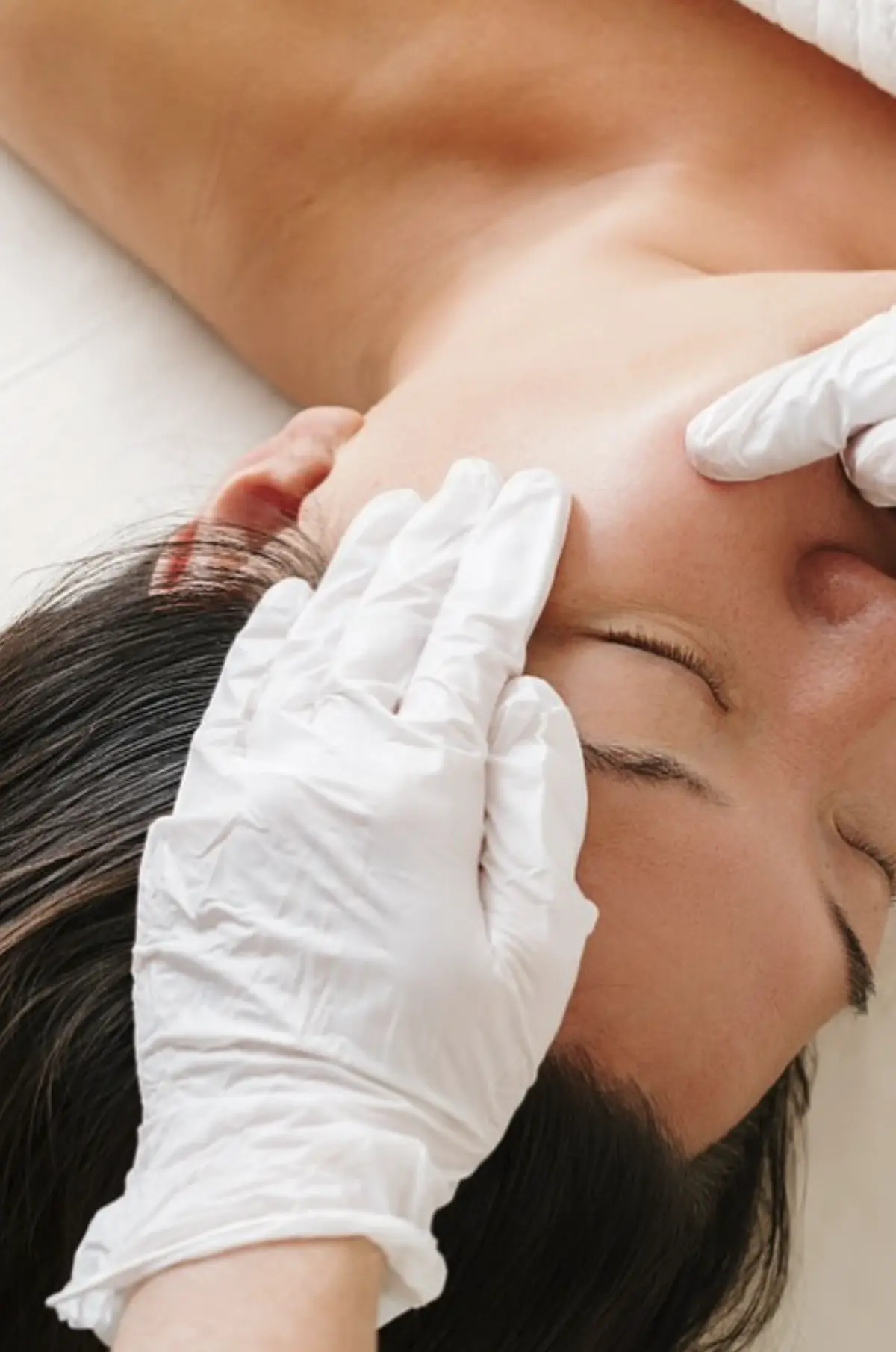
At the end of the day, it’s the autonomic nervous system that’s driving these responses & reactions.
A buccal massage can stimulate areas connected to the vagus nerve, which in turn can help your body shift towards a parasympathetic state – where the body’s just chillin’, restin’, & regulatin’.
This shift from stress to chill is what can make it feel like:
- You’ve finally let go of that deep breath you’ve been holding
- Your muscles are suddenly relaxing, especially in the face & jaw
- You get this sense of calm that just follows you out of the treatment room
Now, these are all just normal physiological responses – nothing too out of the ordinary here. It’s actually just your body doing exactly what it’s meant to do when given the right conditions.
What A Session Looks Like In Practice
So, if you’re considering a buccal facial massage at The Facial Hub, here is what to expect from a real session.
Treatment Flow
| Stage | What Happens | Duration |
|---|---|---|
| Consultation | Skin and musculoskeletal pattern assessment | 10–15 mins |
| Preparation | External facial massage + lymphatic drainage | 15–20 mins |
| Deep work | Intraoral massage targeting cheek and jaw tension | 15–25 mins |
| Integration | Gentle finishing for relaxation and full-body reset | 10–15 mins |
Safety And Hygiene
- Use of gloved hands for all intraoral work
- Strict sanitation standards
- Treatment is adjusted if there is inflammation, infection, or dental sensitivity.
Cost In Brisbane (2026)
You’re generally looking at AUD $140–$220, depending on how far in we need to go and what you need done.
Who Tends To Notice Deeper Changes
Not everyone gets the same results from this sort of treatment, but we have seen some patterns emerge.
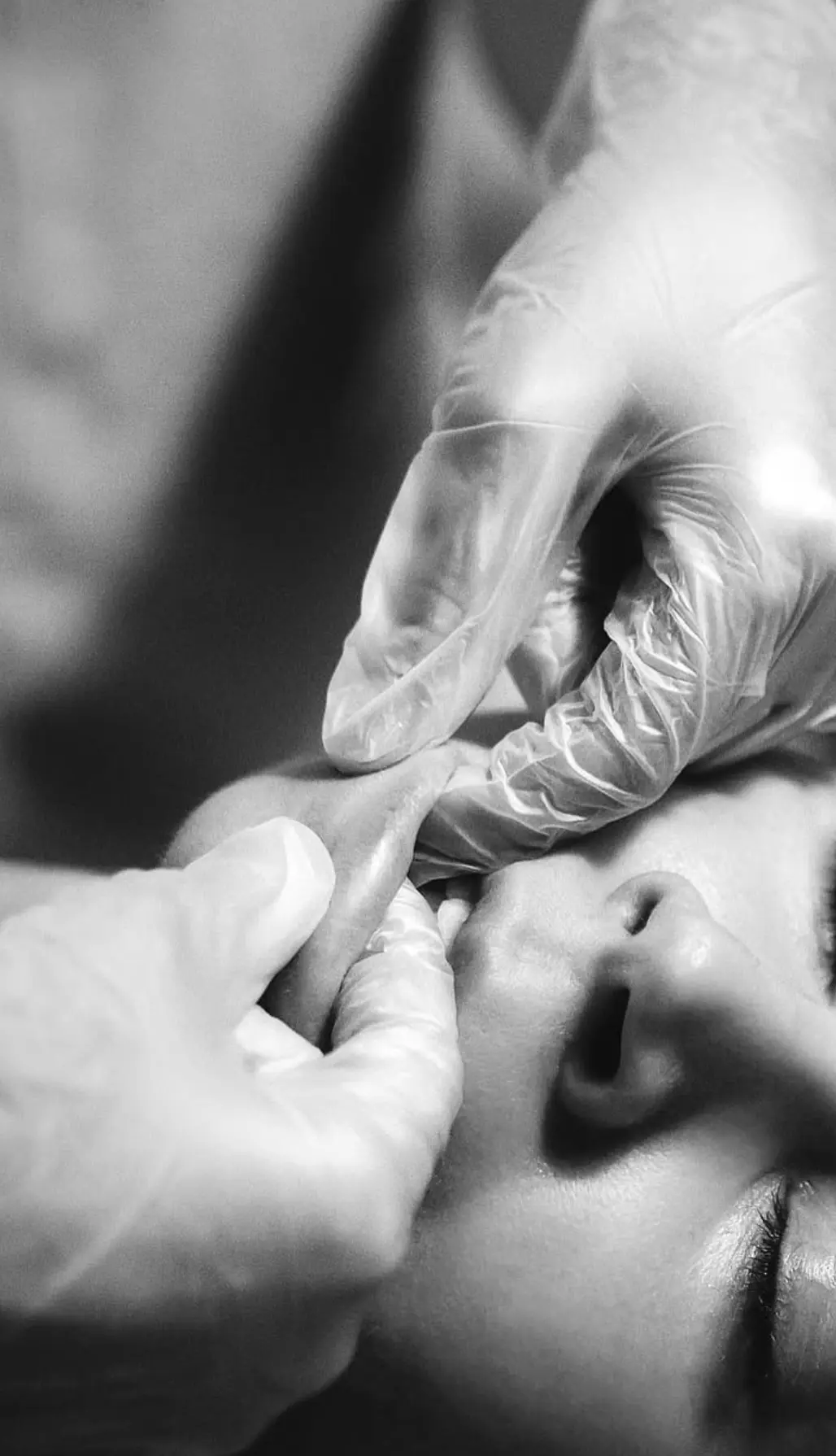
People who tend to hold onto a lot of tension in their muscles – especially around the jaw area tend to notice a bigger change than others. Those who stress a lot (either through a busy job or a high-stress lifestyle) and have problems with blood getting stuck or the lymphatic system taking a while to move tend to report the most noticeable changes.
These people tend to really benefit from techniques like tapping out trigger points and doing some fascial release to help loosen things up, rather than trying to force the issue with some strong treatment.
Measuring Results Beyond Sensation
It’s super important to separate feeling better from actually functionally improving.
A treatment is actually working when it helps with:
- Getting the lymphatic system moving again and getting blood flowing properly
- Relaxing those tight muscles and reducing pain
- Bringing some balance back to your facial symmetry and tone
- Overall skin health and making your face look nicer
Emotional reactions are just that – they’re not any kind of clinical measure of success.
How Brisbane Conditions Influence Facial Tension
Brisbane’s climate plays a bigger role than people probably think.
The humidity can contribute to water retention issues, while the heat affects your circulation and your energy levels. And then there’s the whole fast-paced lifestyle thing, and you’ve got a right old recipe for a lot of nervous system stress and facial tension.
That’s why at The Facial Hub, we offer treatments that combine facial massage, lymphatic flow, andLoosening those masseter and pterygoid muscles a bit of nervous system support, which tends to work really well for people living in this sort of environment.
When To Pause Or Adjust Treatment
While this doesn’t happen that often, there are times when we need to slow down a bit
If a patient is going through:
- Some ongoing discomfort
- Emotional overwhelm
- Lingering sensitivity
We’ll just knock things back a notch. A good treatment should always feel calm, controlled and supportive.
Final Thoughts: What To Realistically Expect
Let’s get down to earth here.
You might get some sort of emotional release during a buccal massage – but that’s not even guaranteed. What you will get is some real physical improvement – the muscles in your face and neck will start to relax more easily, your circulation will pick up a bit, and your skin will start to look a bit better.
At The Facial Hub, the aim is to get you results that you can actually use and feel good about – not some radical results that you can’t maintain long term.
If you want to know whether this approach is right for you and your lifestyle, you’re always welcome to come in for a proper chat.
FAQ
Can buccal massage really help with jaw tension?
Yeah. Loosening those masseter and pterygoid muscles can really help with jaw ache and tightness.
Does this treatment affect the nervous system at all?
Yeah. It actually supports parasympathetic activity, which is just a fancy way of saying it helps your body unwind and recover.
Is it safe to have an intraoral massage done professionally?
Of course it is. When it’s done with proper hygiene and training, it’s a safe and controlled technique.
Will this treatment actually change my face shape?
It can help with facial contours and muscle balance, but the changes will be subtle and natural rather than a radical transformation.
How often should you come in for a treatment?
Most people find that every 3–4 weeks is a good pace, but it can vary depending on how much tension you’re carrying and your lifestyle.