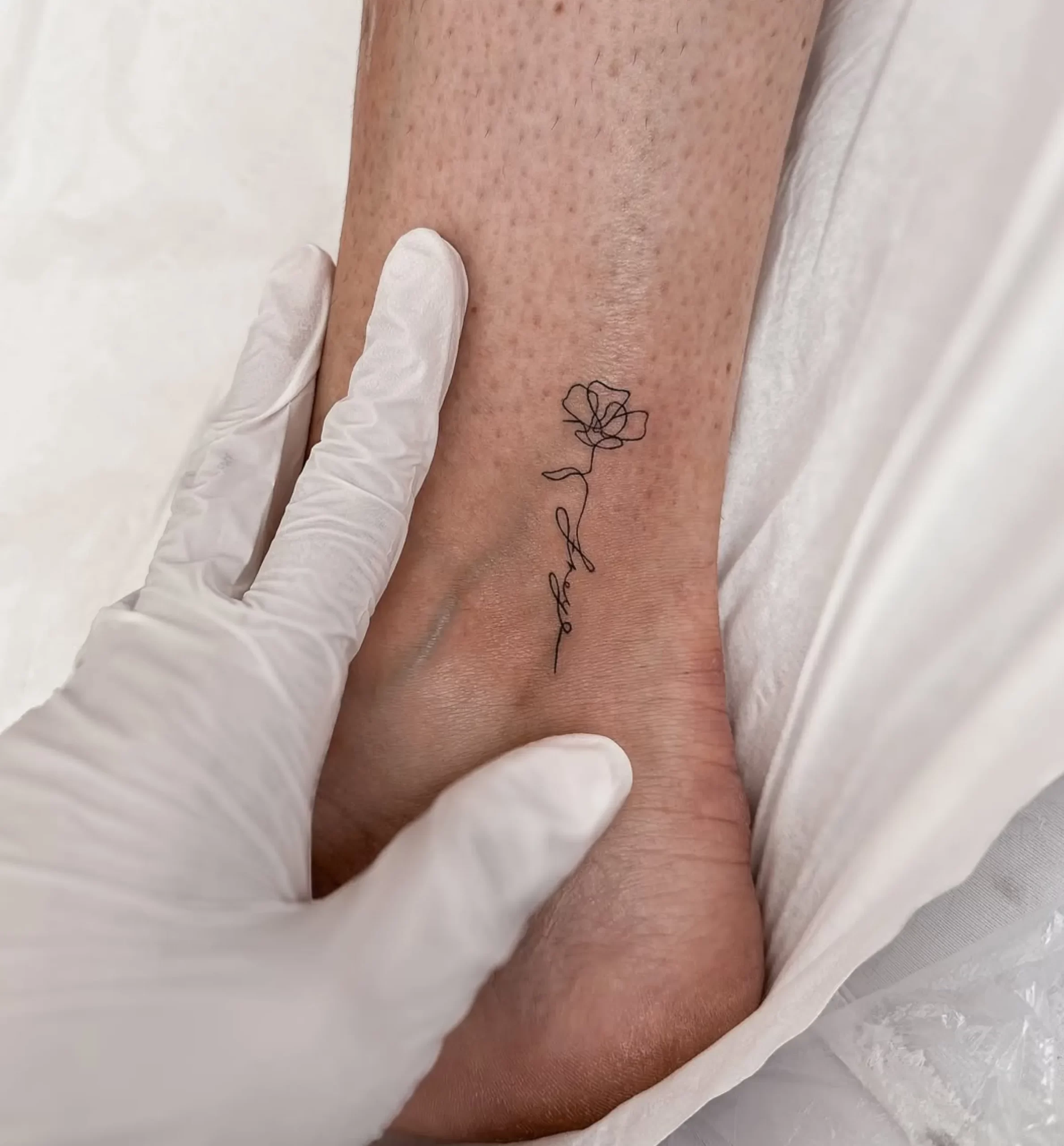
Do fine line tattoos get thicker over time? It’s a question I get asked in the studio almost every week. As a tattoo artist at Cosmetic Tattoo Studio Melbourne Face Figurati, I’ve seen how intricate designs change with different tattooing styles, skin types and aftercare. In this guide, I’ll walk you through what happens during the tattoo healing process, how tattoo ink behaves under the skin and why placement, sun exposure and touch-ups all play a part in long-term results.
Contents
- 1 Minimalist Tattoos Are Trending
- 2 What Happens to Tattoo Pigment Under the Skin
- 3 Skin Type Matters: Oily, Dry or Somewhere in Between
- 4 Ageing Skin and Tattoo Longevity
- 5 Common Myths
- 6 Melbourne Lifestyle Factors That Affect Healing
- 7 Aftercare That Keeps Lines Sharp
- 8 Real Client Story: The Wrist Tattoo That Stayed Crisp
- 9 Tattoo Ageing in Numbers
- 10 Placement Matters More Than You Think
- 11 Touch Ups: When and Why They’re Needed
- 12 Safety, Hygiene and Professional Standards
- 13 What To Do If Your Tattoo Looks Thicker Than Expected
- 14 Final Thoughts from the Studio Chair
- 15 FAQ
- 15.1 How long do fine-line tattoos last before needing touch-ups?
- 15.2 Do single-needle tattoos fade faster than thicker needle styles?
- 15.3 Are finger tattoos a good idea if I want crisp, long-term results?
- 15.4 Can white tattoos stay sharp like black fine line tattoos?
- 15.5 Does the tattoo healing process affect if lines look thicker?
Minimalist Tattoos Are Trending
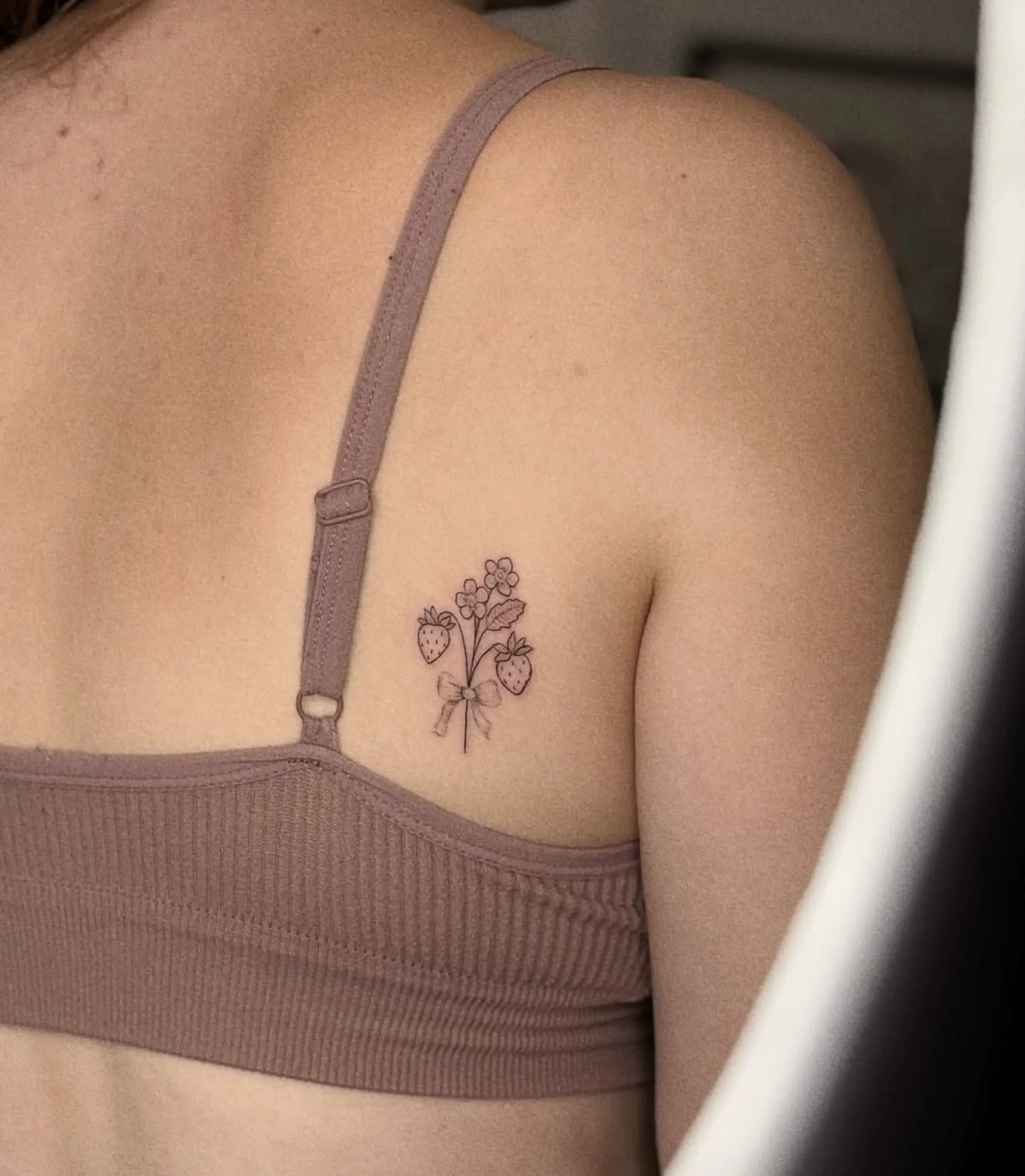
Minimalist tattoos are having a moment. Finger tattoos, mini inscriptions and delicate geometric patterns are trending in Melbourne. Many first-time clients choose them over traditional tattoos because they offer subtle expression without committing to dense shading or thicker needles. The 2025 Australian Tattoo Industry Report showed that 38% of new tattoo clients in Melbourne chose fine line or single needle work as their first tattoo. Tattoo culture has embraced this lighter, modern tattooing style for its versatility and softer finish. If you want to learn the craft, a professional fine line tattoo course at a reputable studio will give you the skills you need to master this style.
What Happens to Tattoo Pigment Under the Skin
Every tattoo, whether traditional or white tattoos, is placed in the upper dermis with tattoo machines. Once ink is deposited, the body’s immune system surrounds the pigment particles with fibroblasts, effectively trapping them. Over time, these cells move slowly, and lines can blur or spread slightly. A fine line tattoo looks more vulnerable because it’s done with a single needle and less pigment density, so any migration or fading is more noticeable compared to bold, densely shaded pieces.
Skin Type Matters: Oily, Dry or Somewhere in Between
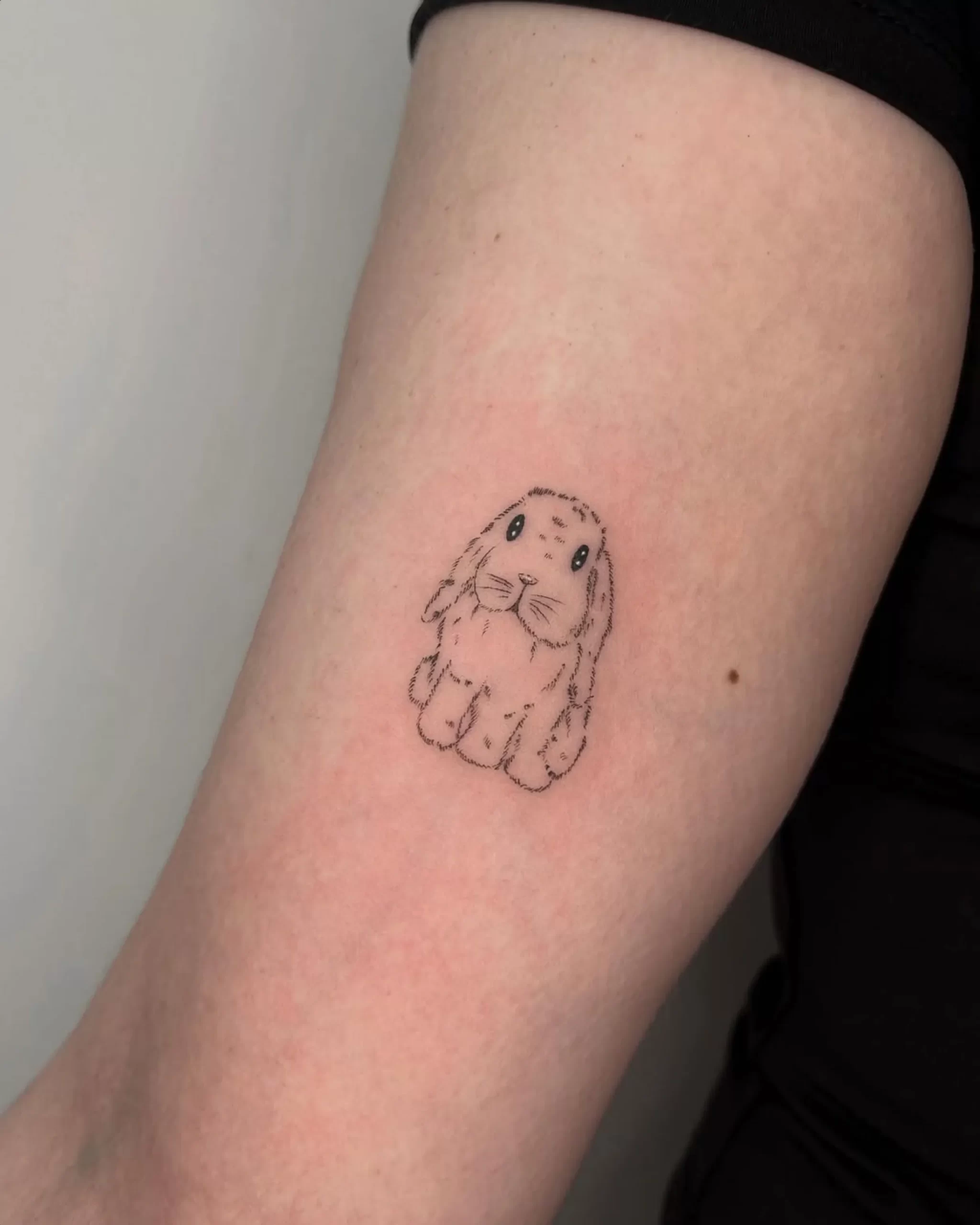
Skin hydration and oil production are huge factors in how tattoos age. Clients with oily skin will notice quicker tattoo fading because sebum can cause pigment to diffuse more. Dry or mature skin will hold ink more crisply but may need more touch-ups because of reduced elasticity. Melbourne’s climate – dry winters and humid summers – creates conditions where tattoos can look sharper or blurrier depending on how well you look after your skin. Aftercare instructions that focus on moisturising and sun protection make a big difference.
Ageing Skin and Tattoo Longevity
The tattoo healing process doesn’t stop after a few weeks — it’s ongoing. As skin ages and loses elasticity, even the most intricate designs can soften. Clients in their 50s and 60s often notice geometric patterns and mini inscriptions blurring slightly faster. This isn’t a failure of the tattoo artist or tattoo machine — it’s just how skin and tattoo ink interact over decades. Touch-ups every few years keep the work fresh, especially when ultraviolet rays and sun exposure are part of daily life in Australia. Choose a skilled fine line tattooist, and your piece has the best chance of ageing gracefully.
Common Myths

Many people think their initial tattoo will get thicker as it heals, but that’s not true. What actually happens is:
- Swelling and scabbing: The tattoo healing process can make lines appear larger temporarily.
- Pigment migration: Tiny shifts in tattoo ink cause a subtle blur over the years.
- Contrast fading: Fine lines can look broader as colour softens into surrounding skin.
It’s not that tattoos suddenly become bold traditional tattoos; it’s that delicate single-needle work is more revealing of natural changes.
Melbourne Lifestyle Factors That Affect Healing
Melbourne is tough on tattoos. Between beach trips, bike commutes and our city’s unpredictable sun exposure, tattoos are constantly tested. Ultraviolet rays are the biggest culprits behind tattoo fading and thickening effects. Even with intricate designs and geometric patterns, too much sun can blur edges. Gym-goers and swimmers also expose their tattoos to friction and moisture, which can impact the tattoo healing process if aftercare instructions aren’t followed.
Aftercare That Keeps Lines Sharp
Following aftercare instructions is the key to a crisp tattoo and one that lasts. Here’s what I recommend in my Melbourne studio:
- Keep your tattoo covered for the first few hours.
- Gently wash with fragrance-free cleanser.
- Apply a thin layer of tattoo healing balm.
- Avoid sun exposure, swimming and activities that generate excessive sweat for at least two weeks.
- Moisturise your skin daily.
Not following these steps can result in thicker lines, patchy fading and the need for earlier touch-ups.
Real Client Story: The Wrist Tattoo That Stayed Crisp
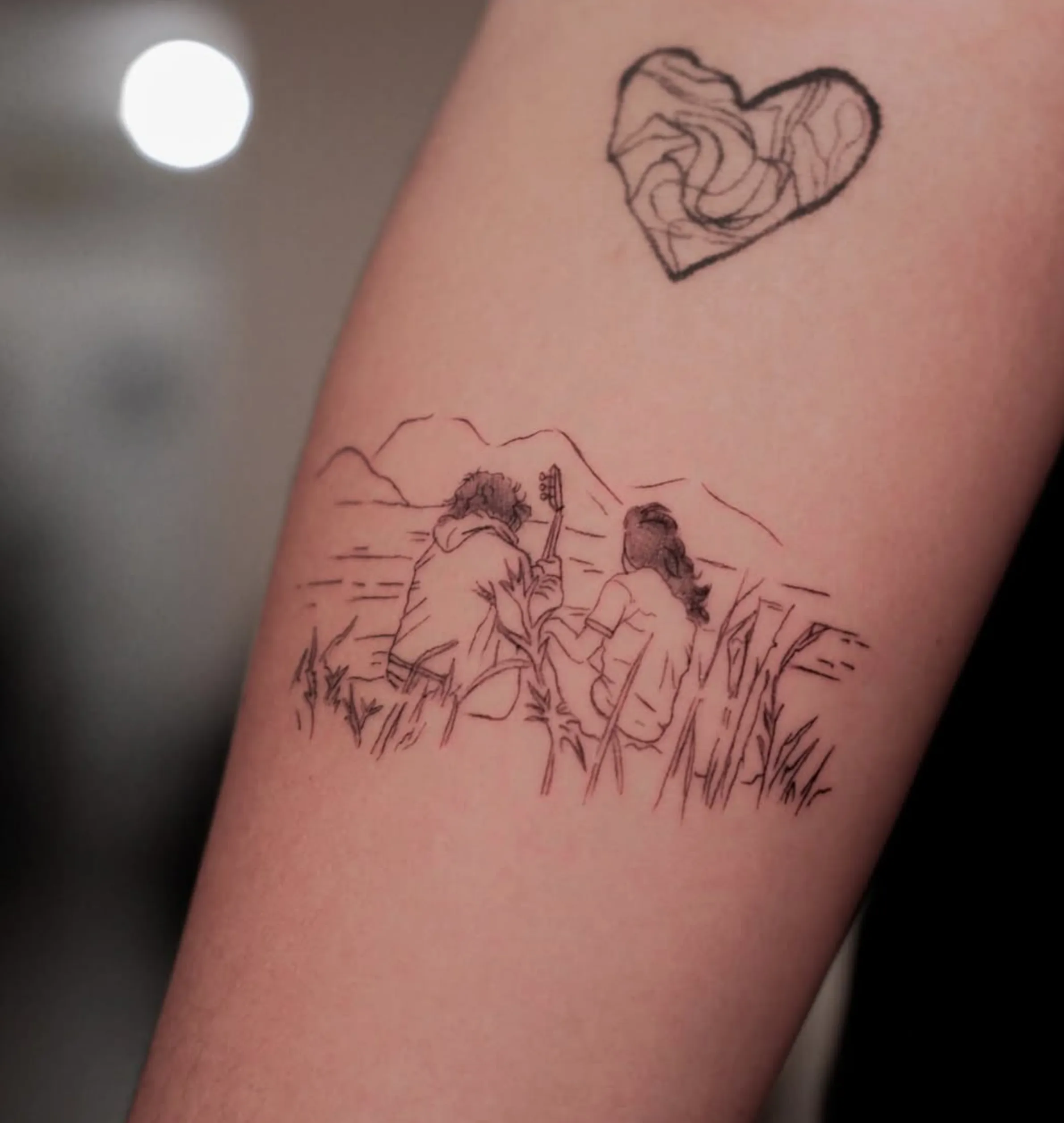
One of my Melbourne clients got a mini inscription on her wrist 5 years ago. She followed all aftercare instructions, wore sunscreen and prioritised skin hydration. Her tattoo is still crisp and beautiful today. Compare that to another client who got a fine line tattoo Melbourne constellation piece but didn’t wear sunscreen during summer — within 2 years, the delicate dots had blurred into faint smudges. The tattoo experience shows clearly how lifestyle affects outcome.
Tattoo Ageing in Numbers
| Factors Influencing Tattoo Ageing | Impact on Fine Lines (2025 Data) |
|---|---|
| UV / Sun Exposure | 65% of premature fading is linked to ultraviolet rays |
| Skin Type | Oily skin needed touch-ups 30% sooner |
| Age of Client | Clients over 50 saw 40% faster blurring |
| Placement | Finger tattoos blurred 25% quicker than arms |
| Aftercare Compliance | 80% of crisp tattoos came from clients following aftercare instructions |
Placement Matters More Than You Think
Finger tattoos, ankle tattoos or foot tattoos are more likely to fade due to constant friction and exposure. Finger tattoos are especially notorious because they’re exposed to hand washing, sanitisers and sun. Upper arms, ribs or back generally hold intricate designs better, whether it’s gradient shading, geometric patterns or mini inscriptions. When I consult in my Melbourne studio at Cosmetic Tattoo Studio Melbourne Face Figurati, I always explain how tattoo culture, placement and lifestyle intersect to influence tattoo experience.
Touch Ups: When and Why They’re Needed
Fine line tattoos need touch-ups every 3-5 years. This isn’t a flaw in the tattooing style or tattoo machines used — it’s how fine pigment behaves in skin. Touch-ups refresh faded lines, repair small pigment gaps and keep intricate designs balanced. Unlike traditional tattoos with dense shading, fine line pieces rely on thin, consistent ink flow that naturally softens over time.
Safety, Hygiene and Professional Standards
Choosing the right tattoo artist matters most. At Cosmetic Tattoo Studio Melbourne Face Figurati, we use professional tattoo machines, sterile single-use needles and pigments designed for stability. Cheaper tattoo ink and thicker needles can spread or fade faster, making lines appear bolder than intended. A professional fine line tattooist with experience in this tattooing style knows how to balance pigment depth, skin hydration and the healing process for the best long-term outcome.
What To Do If Your Tattoo Looks Thicker Than Expected
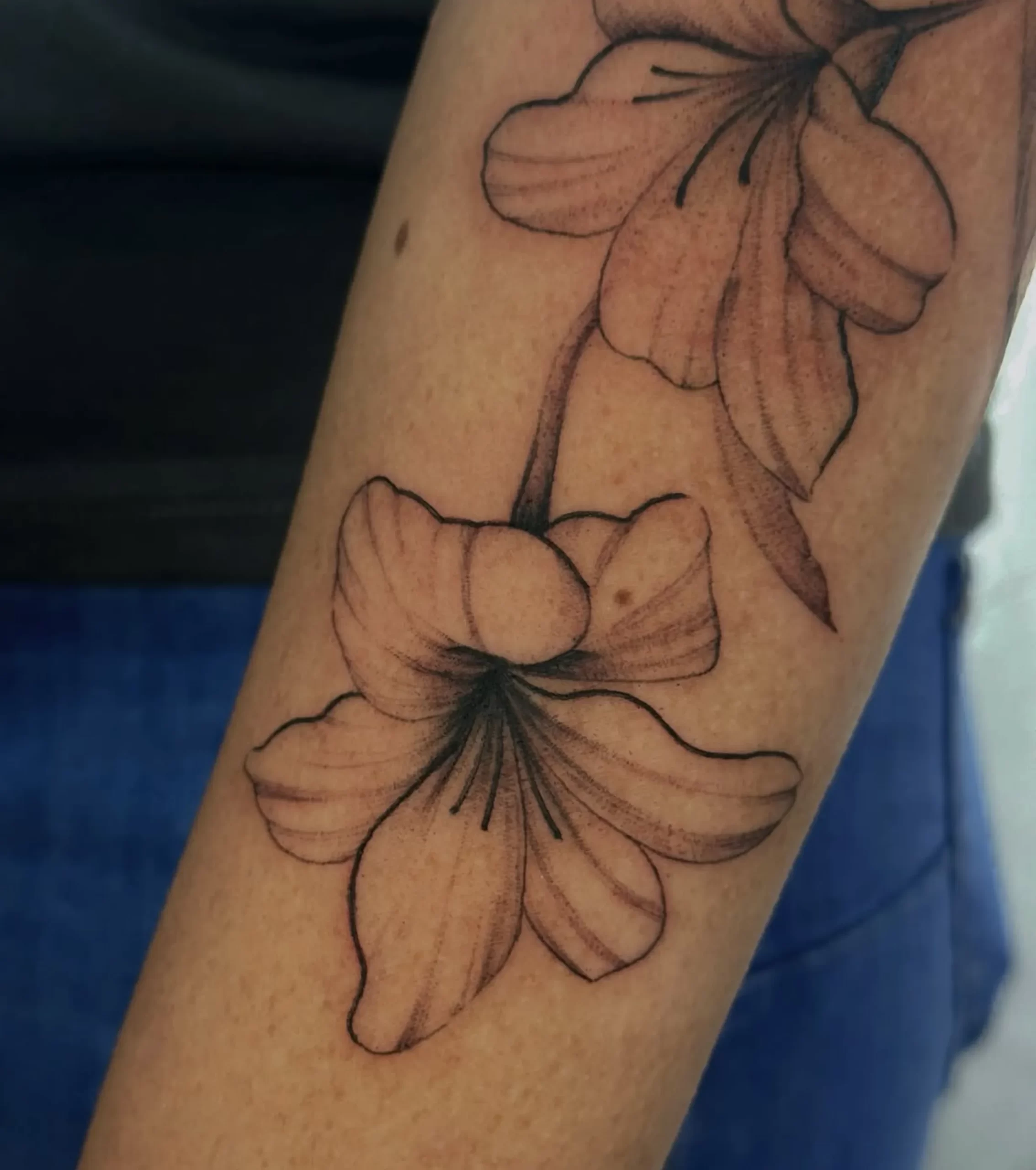
If your initial tattoo looks thicker than you’d hoped, there are options:
- Laser fading to lighten ink and prepare for redesign.
- Reworking with single needle techniques to sharpen blurred lines.
- Adding intricate designs or gradient shading to incorporate the blur naturally.
No tattoo is ever “ruined” — the artistry is in adapting designs over time.
Final Thoughts from the Studio Chair
So, do fine line tattoos get thicker over time? They can soften and blur, but with proper aftercare instructions, sun protection and the right tattoo artist, they age well. At my Melbourne studio, Cosmetic Tattoo Studio Melbourne Face Figurati, I’ve seen white tattoos, traditional tattooing and intricate geometric patterns hold up beautifully when looked after. Tattoos aren’t static — they evolve with your skin, your lifestyle and your body art journey.
FAQ
How long do fine-line tattoos last before needing touch-ups?
3-5 years depending on sun exposure, skin hydration and aftercare instructions.
Do single-needle tattoos fade faster than thicker needle styles?
Yes, because there’s less pigment density, single-needle work fades faster than traditional tattoos with dense shading.
Are finger tattoos a good idea if I want crisp, long-term results?
Finger tattoos blur faster due to constant use, washing and sun exposure. They look great, but need more frequent touch-ups.
Can white tattoos stay sharp like black fine line tattoos?
White tattoos fade faster than black or grey pigment, especially with UV rays, so they need extra aftercare and more frequent touch-ups.
Does the tattoo healing process affect if lines look thicker?
Yes. Swelling, scabbing and poor aftercare can make lines appear thicker. Following aftercare instructions carefully ensures your tattoo settles as intended.